
AI is the most searched term right now. Most people prefer AI for their instant help in a short duration of time. Currently, “ChatGPT” is the most searched term on the internet. Also, ChatGPT is an AI tool that works as an assistant for your problems. Nowadays, Chatbots and AI assistants are the viral concepts.
Furthermore, the Digital brain will be the upcoming success of human life in the coming days. After that, most of the startups are AI-based, such as Frame AI, Moveworks, Databricks, and synthesia. Besides, Tech ventures are approaching the thoughts of high-tech concepts that are forthcoming future. Chatbots and computer tools hold the major portion of the income source. If you want complete knowledge about the tech companies. Therefore, you can visit the page by clicking here . However, if you have any questions regarding AI & its tools, you can ask ChatGPT. Even, you can visit Google also.
However, Automatic cars are also improving day by day by using super-intelligent smart technology. The self-driving car concept was introduced by Elon Musk on 10 Oct 2024 (known as Robotaxi). In addition, it is going to be available in 2026; also to see more about self-driving cars, you can visit this page.
In this given page, we are going to discuss Artificial Intelligence and its types based on their strengths, along with their key technologies. After that, we will discuss the selection methods by which we can select the best AI. In addition to that, we will be telling you the best AI for your needs.
What is Artificial Intelligence ?
Artificial Intelligence refers to the intelligence comparable to human intelligence; also, used for performing complex tasks such as making decisions, reasoning, and machine learning. Eventhough, AI can operate, think, and react as living being which helps as an assistance like Chatgpt and chatbots.
In addition to it, Computers could perform as humans in the upcoming years. Even Elon Musk is also working on AI for last long period. Also, auto-driving is just the starting phase of an AI-based world. Apart from that, there are various types of AI based on their strengths mentioned ahead:
Different Types of AI: Narrow, General & Super Intelligent
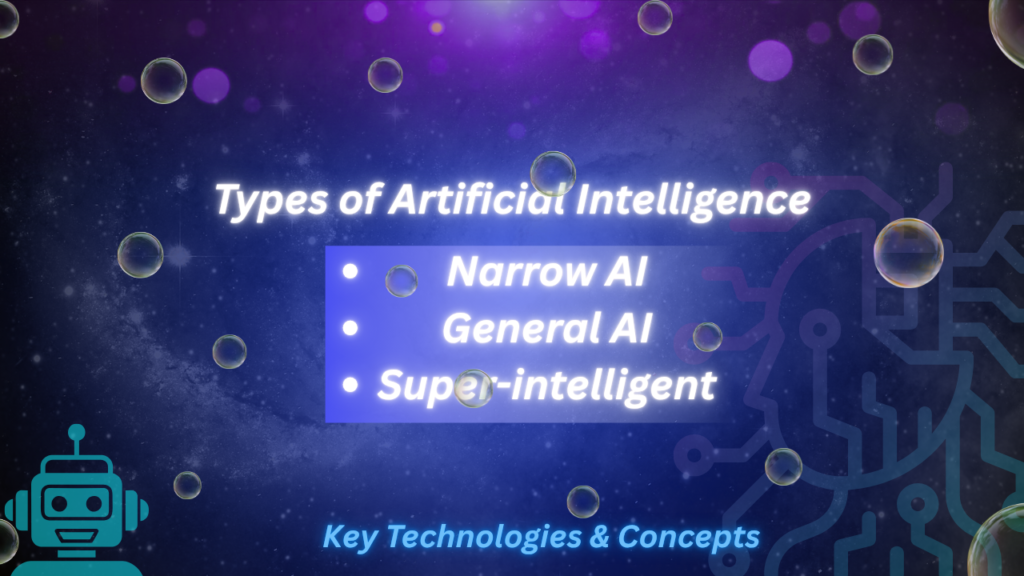
Types of Artificial Systems Explained:
According to their strengths, Artificial systems are divided into three major types:
- Narrow (Weak) AI: It is specially created for specific tasks that require a small or narrow use of a vast AI system, such as playing chess, songs & more. Furthermore, it is weak as compared to human intelligence, and, also known as Weak AI.
- General(Strong) AI: General AI is capable of performing a vast range of tasks as a human being. Also, it is known as Artificial General Intelligence. Some illustrates are chatbots, AI apps & software.
- Super-Intelligent AI: It is the hypothetical state of AI that competes with human intelligence in all aspects(still speculating). ‘Robots’ can be the best example.
- Artificial General Intelligence means a future where AI can think and learn better than people.
How AI works: Key Technologies & concepts
AI works upon major core components such as data, algorithms, and models. Also, the 4 key technologies used in the working of AI are:
- Machine Learning(M.L): It is a subset of AI that focuses on allowing systems to learn from data and improve performances on a task.
- Deep Learning(D.L): It is a subset of machine learning that uses artificial neural networks for extracting multiple layers of complex tasks such as speech & text recognition.
- Natural Language Processing(N.P.L): It is a field of AI that allows computers to understand, interpret, and generate human language. ‘Voice Assistants’ like Google, Siri, and Gemini are the illustrates.
- Computer Vision: It is a field of AI that facilitates machines to recognise and understand visual data such as images.
Artificial concepts work upon their data, algorithms, and models. Also, the steps upon which AI works are as follows:
- Data Input: Initially, we input data into machines such as text, image, audio, or video.
- Train: Now, this data is processed into the algorithm to run a model.
- Evaluation: This step evaluates the data of the model processing in the algorithm.
- Inference: Now, this trained model is used to predict decisions in the real world.
Selection Criteria For Best AI: Key Factors
The key factors that help to identify the finest AI are accuracy, speed, scalability, adaptability & many more. Furthermore, the smart technology that suits you the best depends on your personal needs and requirements. Moreover, selecting a great AI includes deep insight into key points responsible for its reliability. These elements help to determine how well an AI system can perform in the real world. Also, a good AI not only delivers better results but improves itself with the passage of time. These key concepts are described briefly below:
Speed & Accuracy
- Accuracy: Accuracy indicates how well an AI can perform its tasks as compared to the expected outcomes. This factor shows how close the AI’s result is to the correct one; tasks like prediction, decision-making, or image recognition. In addition, high accuracy builds user trust & confidence in the system.
- Speed: Speed means how quickly an AI input is processed and shows the output. It is vital in real-time decisional tasks, system efficiency. Also, it can be determined through model size, hardware resources(GPUs, TPUs, or AI chips), algorithm optimization, and latency. For further details, you can visit speed.
Scalability & Privacy
- Scalability: It determines the system that can handle a surging amount of tasks without compromising performance, speed, or accuracy. Also, it matters for the future growth and cost effectiveness. Even the key aspects of scalability are data, user, performance, and deployment scalability.
- Privacy & Security: It refers to how an AI system protects sensitive data and guards it against threats. It highlights the data-handling or user confidentiality. Also, it includes data safety from cyberattacks. For better security, we should use strong passwords, regular updates & all. In addition, we should use a transparent, certified, encrypted, and user-respecting system.
Model & Train-Data:
- Model Transparency: It refers to the understandability of an AI system, how it was trained, and what data or logic it uses. During selection, we should prefer the models trained on diverse, high-quality, and unbiased data. After that, it’s responsible for explainable answers, accountability, debugging & auditing.
- Train-Data: It determines the information fed to an AI system during its training period, which is responsible for making decision rules and learning patterns. Due to failed training data, it causes biased or outdated data. Also, it matters to ensure fair treatment and relevant data.
Use-Based Classification of AI Tools:
Artificial Intelligence has changed the tech field in 2025. It’s now become the backbone of the digital world. With so many options, it is complex to find the best AI in 2025. Even you wouldn’t be able to choose the best AI apps or the best AI tools, due to the flooded market of artificial intelligence.
Currently, we will discuss the best AI tools in this blog according to their use as video creators, image generators, AI assistants, voice tools, and marketing AI. This list will help you in the selection of the best AI for you, including its use, advantages, and drawbacks.
1. Top AI Video Creators
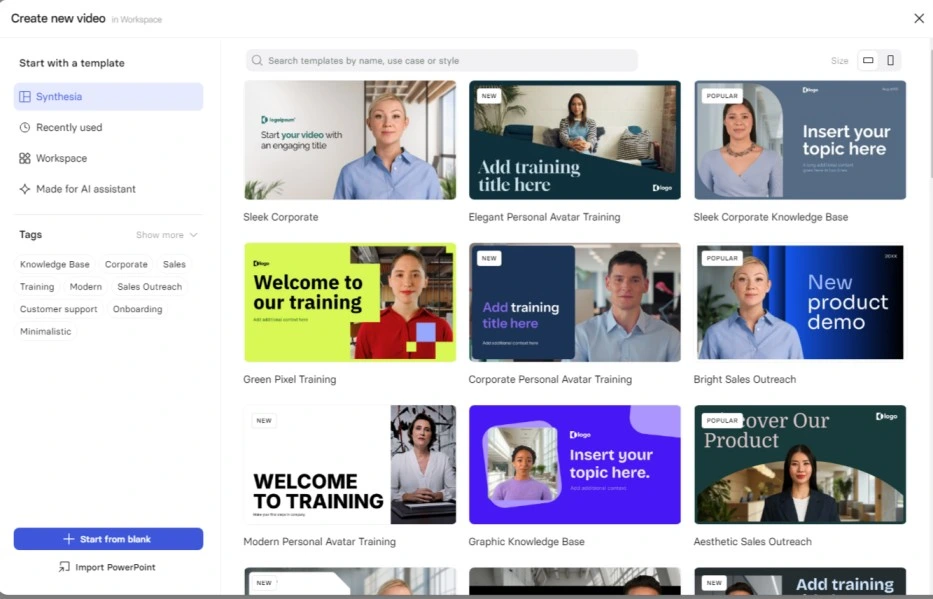
Synthesia
Synthesia contains the pack with its AI-powered video generation, which also transforms text scripts into professional videos. Even, it reduces the time up to 80% of video creation.
- Pros: It reduces video production duration, also supports extensive languages, and easy avatar selection.
- Cons: It has limited cinematic creativity and also requires customization for branding.
Pika / Meta AI Video
Pika provides highly imaginative video results, but these are less tailored for business use cases like content marketing.
- Pros: It provides a video generation based on the artistic content.
- Cons: This AI tool is less polished and also limited for corporate use.
2. AI Image & Multimodal Generators
ChatGPT-4o (with image mode)
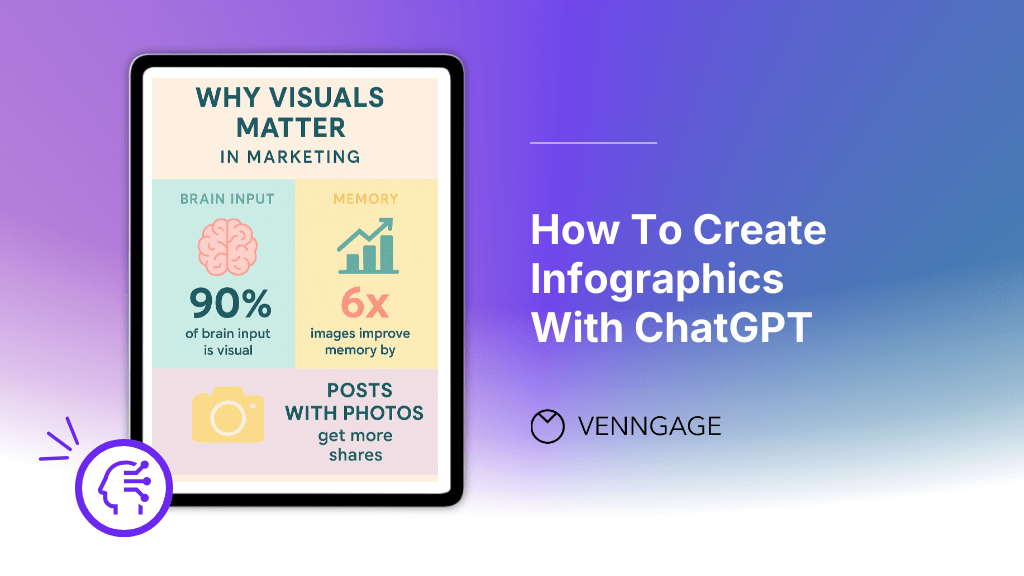
OpenAI’s ChatGPT-4o produces royalty-free pictures suitable for blogs and social media, also produces readable text inside images. It supports image inputs and outputs, also making it a multimodal AI.
- Pros: It has available free tier, also the unremarkable image text quality.
- Cons: Sometimes it requires refinement during image generation, also limited in free plan usage.
Midjourney
Midjourney provides an outstanding image creation, but it operates on a subscription model. Also, it is a favorite AI tool for painterly and artistic visuals, which is slower than competitors.
- Pros: It offers beautiful images full of an artistic format.
- Cons: It is a paid tool, also it is slower in the process.
3.Cutting-Edge AI Assistants & Research Tools
ChatGPT (GPT-4o + Deep Research)
It includes detailed research, reasoning, and capabilities results as a powerhouse. It also has multimodal inputs and citation features.
- Pros: It is fast and provides accurate answers with references. Even though it is multimodal.
- Cons: It requires a paid subscription, and it has some fact-based errors.
Claude by Anthropic
Claude builds with safety and provides conversational AI that minimizes harmful outputs while maintaining functionality.
- Pros: It has strong safety features and provides nuanced conversations.
- Cons: It has a limited number of public access points.
Grok (xAI by Elon Musk)
Grok provides immediate answers, perfect for users with a quick and factual query.
- Pros: It provides straightforward answers in a short duration(fast & quick).
- Cons: It has some privacy-related concerns and provides less depth in reasoning questions.
Manus
Manus performs complex and multistep tasks like content creation and acts like an emerging star in AI tools.
- Pros: It has complex workflows that manage themselves.
- Cons: It is still in the developing phase, also has usage limits.
4. Best AI Text-to-Voice & Voice Cloning Tools
ElevenLabs
Elevenlabs converts simple text into expressive speech, with voice cloning and controls emotional tone, and also supports multiple languages dubbing.
- Pros: It provides a multilingual and realistic voice, as well as a flexible tone.
- Cons: It has privacy-related concerns, and it also has a premium price.
5. AI Tools Powering Marketing & Content Creation
AdCreative.ai
It creates high-performing advertisements with AI-powered visuals and copy. Also, it accelerates the working flow of internet markets.
- Pros: it provides quick advertisement creation, as well as most of the ideas are AI-driven.
- Cons: It provides a limited number of customizations for an ad.
AirOps
It automates SEO content and workflows by using multiple AI integrations. It even includes examples such as ChatGPT, Claude, and Gemini.
- Pros: It provides scalable automation and also flexible workflow.
- Cons: Its setup is complex, and the output is inconsistent.
| AI Tool | Category | Key-features | Pros | Cons | Pricing Highlights |
| Synthesia | AI Video Generator | 230+ avatars, 140+ languages, text-to-video | Fast, multilingual, easy to use | Limited cinematic storytelling | Paid plans, free trial |
| Pika / Meta AI | AI Video Generator | Creative, expressive video generation | Imaginative visuals | Less business-focused | Paid, emerging |
| ChatGPT-4o | Multimodal AI | Text + image generation, multimodal inputs | Free tier, readable image text | Usage limits | Free + subscription |
| Midjourney | Image Generator | Artistic image creation | Stunning visuals | Subscription only, slower | Paid subscription |
| ChatGPT (GPT-4o + Deep Research) | AI Assistant | Research, reasoning, planning | Fast, citations, multimodal | Subscription required | Paid subscription |
| Claude | AI Assistant | Safety-focused, nuanced conversation | Strong safety | Limited access | Subscription / API pricing |
| Grok (xAI) | AI Assistant | Fast factual answers | Quick responses | Less reasoning depth | Free + paid tiers |
| Manus | Task Automation | Multistep task execution | Powerful automation | Usage limits | Pay per use / subscription |
| ElevenLabs | Text-to-Voice | Realistic voice cloning, tone control | Natural voice, emotional tone | Privacy risks | Free trial + subscription |
| AdCreative.ai | Marketing Tool | Automated ad visuals & copy | Fast ad creation | Limited customization | Paid subscription |
| AirOps | Marketing Workflow | Automates SEO & content workflows | Scalable, flexible | Complex setup | Paid plans |
6. Best AI FAQ: Q/A
- What is the best AI right now?
For conversational tasks, ChatGPT-4o and Claude perform better.
For video creation, Synthesia stands out. For voice, ElevenLabs excels.
For artistic images, Midjourney and ChatGPT-4o are top priorities.
- Is there a free powerful AI in 2025?
Yes! ChatGPT holds a free subscription with GPT-4o’s multimodal benefits, and NotebookLM helps summarize research effectively.
Conclusion
Choosing the best AI tool in 2025 depends heavily on your specific needs. For versatile chat and research, ChatGPT-4o and Claude dominate. For video, Synthesia leads the way, while ElevenLabs offers the most realistic voice synthesis. If you’re looking for artistic imagery, Midjourney and ChatGPT-4o deliver stunning visuals. Marketers can boost productivity using AdCreative.ai and AirOps.
Each AI tool comes with its unique strengths and drawbacks—use this comprehensive guide to find the best AI app or AI tool for your projects and stay ahead in the rapidly evolving AI landscape.
Leave a Reply