
Exploring Ladakh Trip :
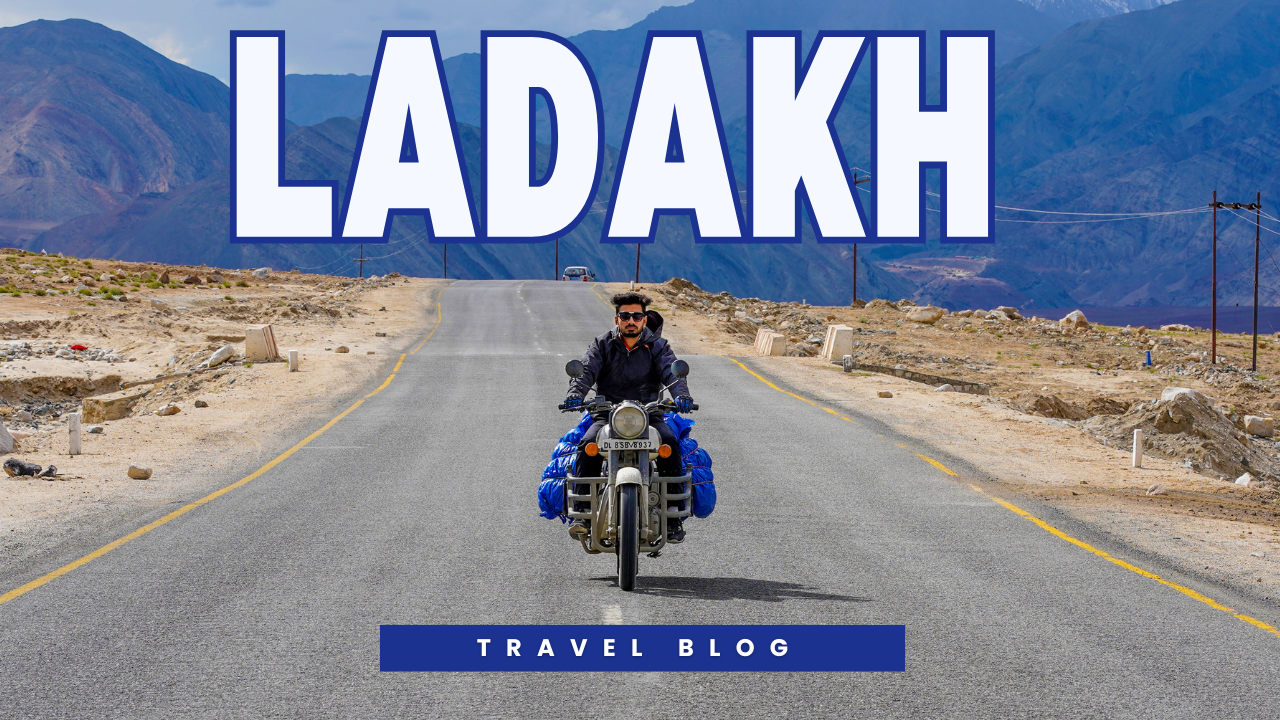
I still feel really happy when I think about our four days LADAKH trip from two weeks ago. Going there with my friend (made it extra special). It wasn’t just about seeing a famous place, it was about having fun together, laughing, and making great memories as a friend. From the moment we left home, every part of the trip felt warm and joyful. Being in ladakh with the people I love made it an experience I’ll never forget and I am gonna share this wonderful trip experience with all of you.
INTRODUCTION OF LADAKH :
Ladakh, often called the “Land of High Passes”, is a captivating region in the northernmost part of India, known for its stark natural beauty, rich culture, and spiritual heritage. Nestled between the mighty Himalayas and the Karakoram Range, Ladakh lies in the Union Territory of Ladakh, formed in 2019 after separation from the state of Jammu and Kashmir. Its geographic position at an altitude ranging from about 9,000 feet (2,750 meters) to over 25,000 feet (7,600 meters) above sea level makes it one of the highest inhabited regions in the world.
Geography and Climate
Ladakh is a cold desert, characterized by rugged mountains, deep valleys, and vast barren landscapes punctuated by sparkling rivers and crystal-clear lakes. The famous Pangong Lake, Tso Moriri, and the Nubra Valley are among its most visited natural wonders. Due to its high altitude and rain-shadow location, Ladakh receives very little rainfall, and most of its water comes from glacier melt. Summers are short and pleasant, while winters are extremely harsh, with temperatures often dropping below -20°C.
History and Culture
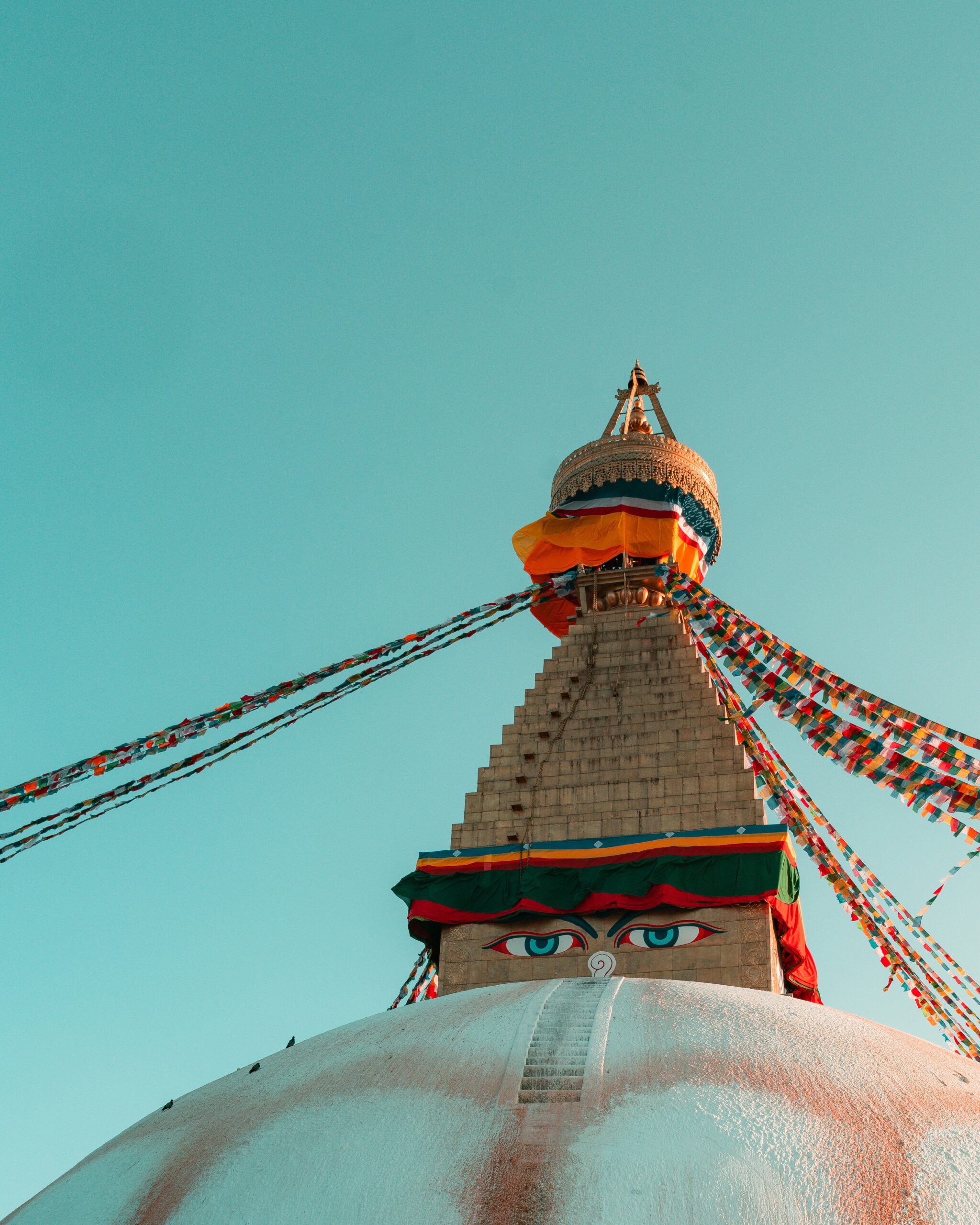
Ladakh’s history is shaped by its strategic location on ancient trade routes connecting Central Asia, Tibet, and India. It was once part of the Silk Route, facilitating the exchange of goods, cultures, and ideas. Over centuries, it has been influenced by Tibetan, Central Asian, and Indian traditions, giving rise to a unique cultural blend. The majority of Ladakh’s population follows Tibetan Buddhism, evident in its monasteries, stupas, and prayer flags fluttering across the landscape. Historic monasteries like Hemis, Thiksey, and Diskit are not only places of worship but also cultural hubs preserving art, manuscripts, and Buddhist philosophy.
People and Lifestyle
The people of Ladakh, known for their warmth and resilience, have adapted to the extreme environment with a simple yet resourceful lifestyle. The Ladakhi language, closely related to Tibetan, is widely spoken, though Hindi and English are also understood. Agriculture, based on barley, wheat, and vegetables, is a mainstay in the short summer months, while tourism has become a major source of livelihood in recent years. Traditional festivals, such as the Hemis Festival, are celebrated with vibrant dances, music, and masked performances.
Tourism and Adventure
Ladakh has gained worldwide recognition as a prime destination for adventure seekers and nature lovers. Activities such as trekking, river rafting, motorbiking, and mountain climbing draw visitors from across the globe. The Leh-Manali Highway and Leh-Srinagar Highway are famous road trip routes, offering breathtaking views at every turn. Wildlife enthusiasts can spot snow leopards, Himalayan blue sheep, and migratory birds in its national parks.
Spiritual and Natural Harmony
Beyond its adventure appeal, Ladakh exudes a sense of peace and spiritual depth. The harmonious coexistence of humans and nature, coupled with the strong influence of Buddhist values like compassion and simplicity, gives the region a distinctive charm.
In essence, Ladakh is not just a travel destination but an experience—where the raw beauty of nature meets the richness of culture, and where the silence of the mountains speaks volumes to the soul.
Table of content :
DAY 1 I and my friend took a bike from Kurukshetra and went to Ladakh to 3: 00 am Our first stop was at Pinjore Dhaba for 1 hour. We went from Kurukshetra to Pinjore for 1:30 hours. Our second stop was Manali, we reached there after 6 hours and took rest. pinjore to manali 10:00 am There we rested for 5 hours in the hotel and then we started our journey again for Ladakh. We took 7-8 hours to reach Ladakh from Manali and at night we rested in a hotel at 11 and ordered food from the hotel staff
DAY 2
We went to the famous Leh market of Ladakh in the morning to 10:00 AM around
DAY 3Eastern Ladakh has an elevation of 19,024 ft from where Kuslu Village and Nyoma Maye Mountain are very beautiful.
Then we visited Dixit Temple which was built by the Japanese, it is considered a symbol of peace
DAY 4 After that we visited Hundar where we saw dry sand and camels where we could sit on it and do safari and enjoy our trip.
DAY 5 Eastern Ladakh has an elevation of 19,024 ft from where chushul Village and Nyoma Maye Mountain are very beautiful.
DAY 1: Leh Main Market
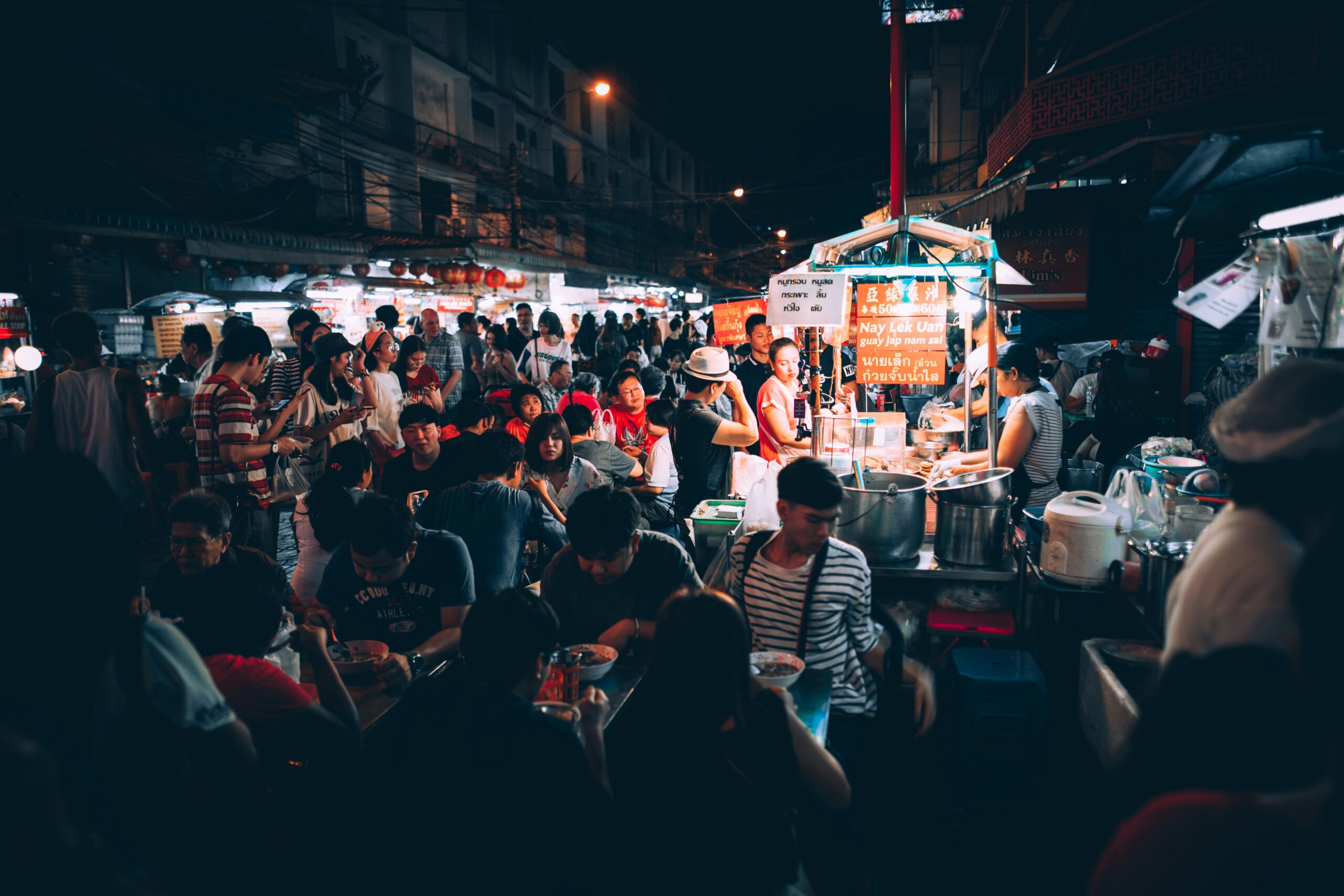
> Experience the vibrant Leh Market, a bustling hub where you can browse locally crafted pashmina shawls, authentic antiques, and an array of dried fruits, capturing the essence of Ladakh’s unique culture and commerce.
>1 . Authentic Handicrafts & Souvenirs
- Pashmina shawls & woolens: Sourced from local Changthangi goats.
- Handmade jewelry: Silver and turquoise Tibetan-style pieces.
- Thangka paintings: Traditional Buddhist artworks.
- Ladakhi prayer wheels & flags: Spiritual souvenirs.
- Woolen carpets & rugs: Crafted by local artisans.
2 .Cultural Blend
- A unique mix of Tibetan, Ladakhi, and Kashmiri culture.
- Local vendors, monks, and tourists from around the world create a dynamic atmosphere.
3 .Local Cuisine
- Street stalls and cafés serving momos, thukpa, butter tea, and Ladakhi bread.
- Great spots to try traditional dishes like skyur (fermented milk drink) and chhutagi (Ladakhi pasta).
4 .Vibrant Tibetan Markets
- Several Tibetan Refugee Markets around Leh market offer Buddhist artifacts, woolen clothes, and Tibetan incense.
- Profits often support Tibetan refugee communities.
5 .Eco-Friendly Shopping
- Many shops sell sustainable, eco-conscious products, supporting local women’s cooperatives and NGOs.
6 .Atmosphere
Set against the Himalayan backdrop, with prayer flags fluttering and monasteries nearby, it’s more than just a market—it’s an experience.
DAY 2 : Dikshit temple
>Explore the historic Leh Palace, a former royal residence offering panoramic views of Leh and a glimpse into the rich Ladakhi heritage, including the Palace Museum’s collection of treasured artifacts.
>Immerse yourself in the spiritual ambiance of Diskit Gompa, a historic Buddhist monastery in Nubra Valley, known for its striking architecture and tranquil atmosphere.
>About Diskit (Dikshit) Monastery
Despite the spelling variation, “Dikshit” refers to Diskit Monastery, the oldest and largest Buddhist monastery in the Nubra Valley—located about 115 km north of Leh at an altitude of around 10,300 ft
- Founded: In the 14th century by Changzem Tserab Zangpo, a disciple of Tsong Khapa, founder of the Gelugpa (Yellow Hat) sect.
- Architecture: Tibetan-style complex built atop a hill, accessible via stone stairs, leading to a prayer hall (Dukhang) with a huge drum and images of guardian deities. An elevated dome features a mural of Tashilhunpo Monastery. It also houses ancient Mongolian and Tibetan scriptures.
- Legend: A local myth speaks of an anti‑Buddhist Mongol demon whose head and hand are believed to be preserved in one of the monastery’s shrines.
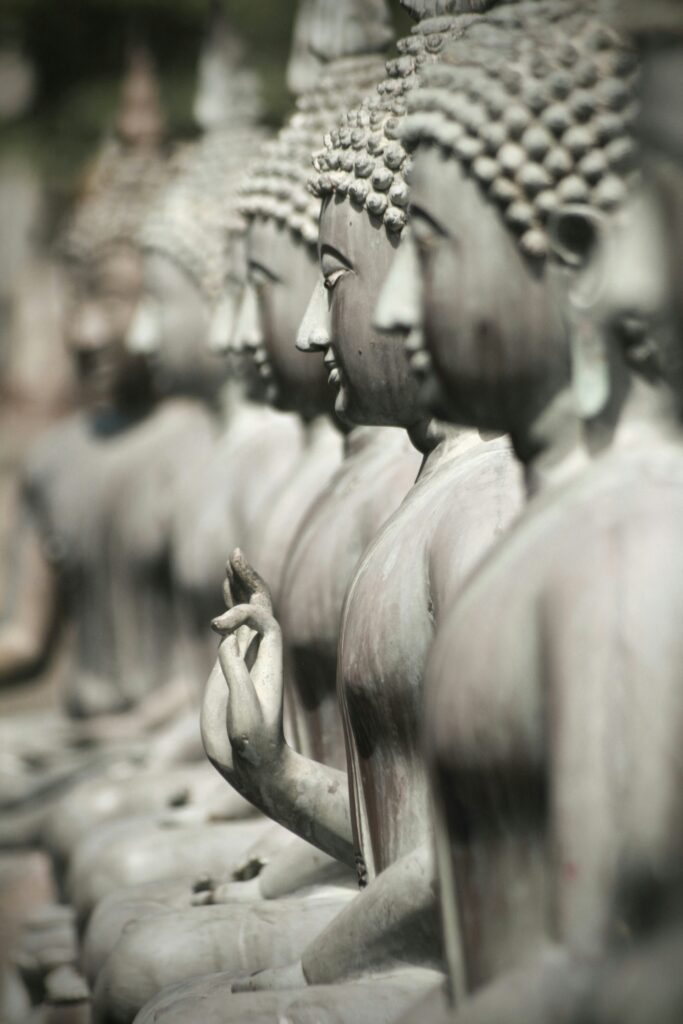
The Majestic Maitreya Buddha Statue
Constructed from 2006 and consecrated by the Dalai Lama in July 2010, it symbolizes three aspirations: protection for Diskit village, promotion of world peace, and deterrence of war with Pakistan
A 32 m (106 ft) tall golden-red statue of Maitreya Buddha sits on a hill just below the monastery, overlooking the Shyok River toward Pakistan.
DAY 3 : Hunder
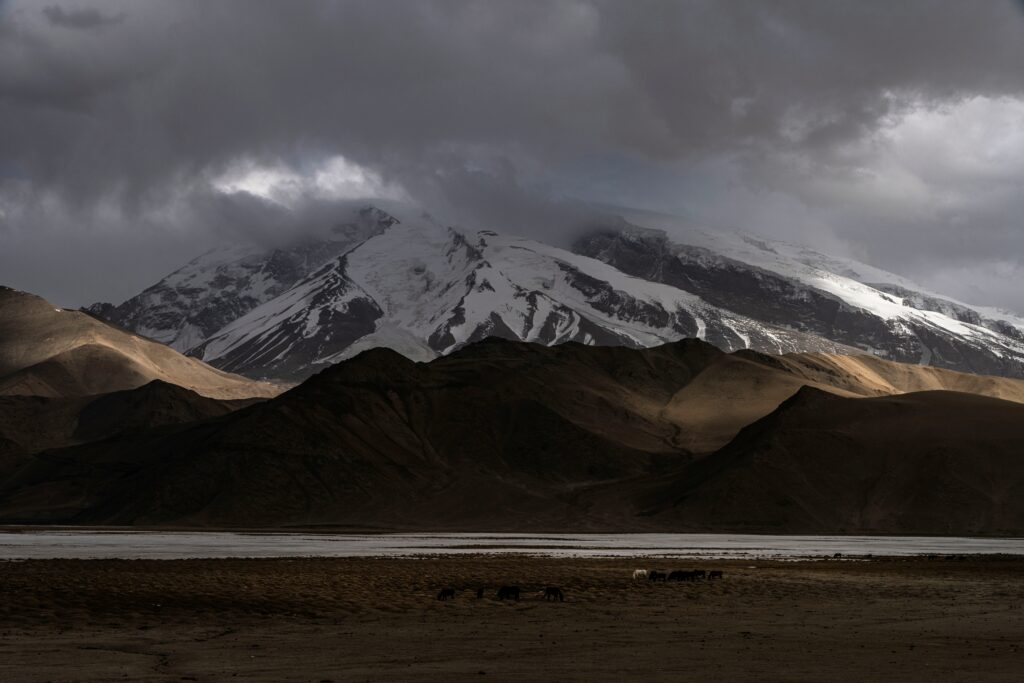
>Explore the unique Hunder Sand Dunes, a captivating desert oasis within the high-altitude landscape of Ladakh, where you can enjoy camel rides and soak in the remarkable contrast of nature.
>Embark on a scenic drive through Nubra Valley, where the landscape transforms into a surreal tapestry of mountains, sand dunes, and the iconic ‘double-humped’ Bactrian camels, offering an unforgettable experience.
>What’s Special in Hunder, Ladakh
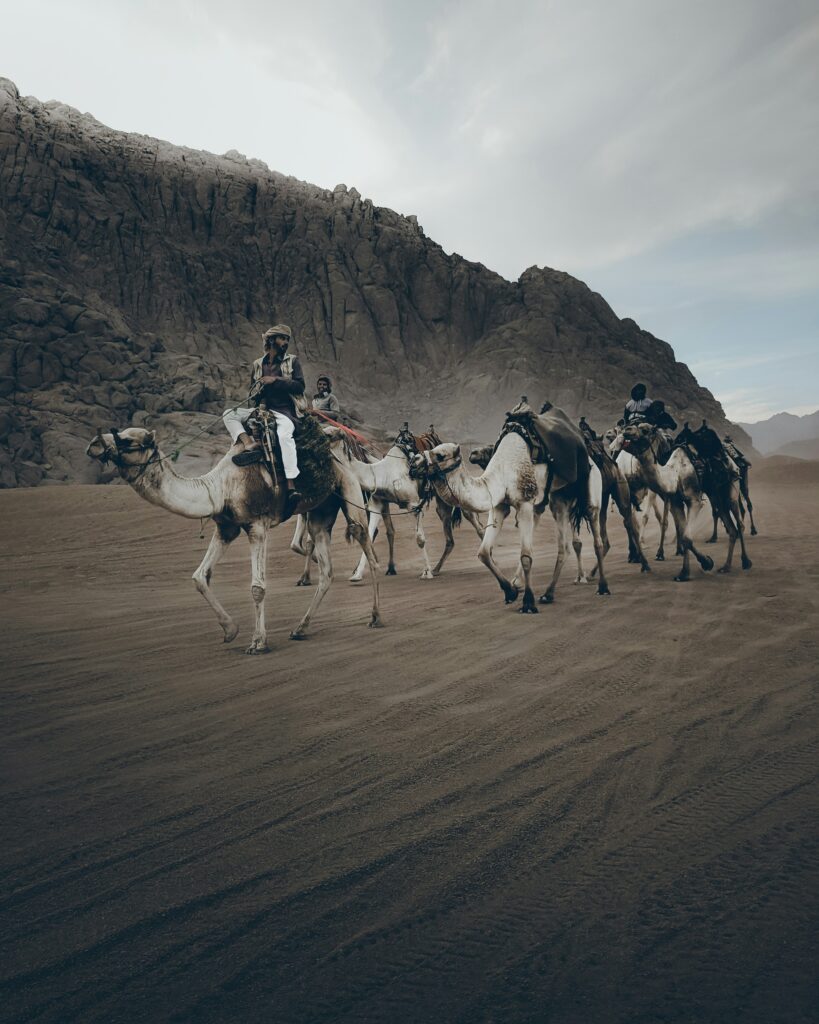
🐫 Bactrian Camel Rides
- The double-humped Bactrian camels are a rare species found only in Central Asia and here in Hunder.
- Camel rides on sand dunes with snow-capped mountains in the background offer an unforgettable experience.
- Rides are usually available in the morning and late afternoon (₹200–₹500 per ride).
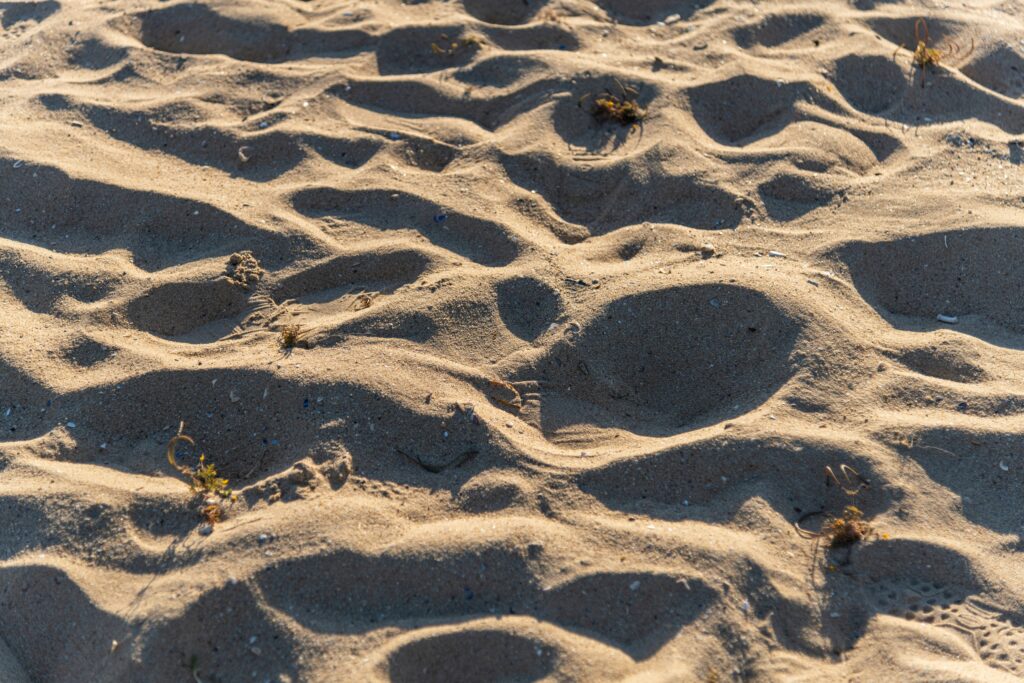
🏜️ Cold Desert & Sand Dunes
- Hunder has a desert at an altitude of ~10,000 ft, creating a striking contrast between sand dunes, lush valleys, and icy peaks.
- The landscape feels otherworldly, especially during sunset when the dunes glow golden.
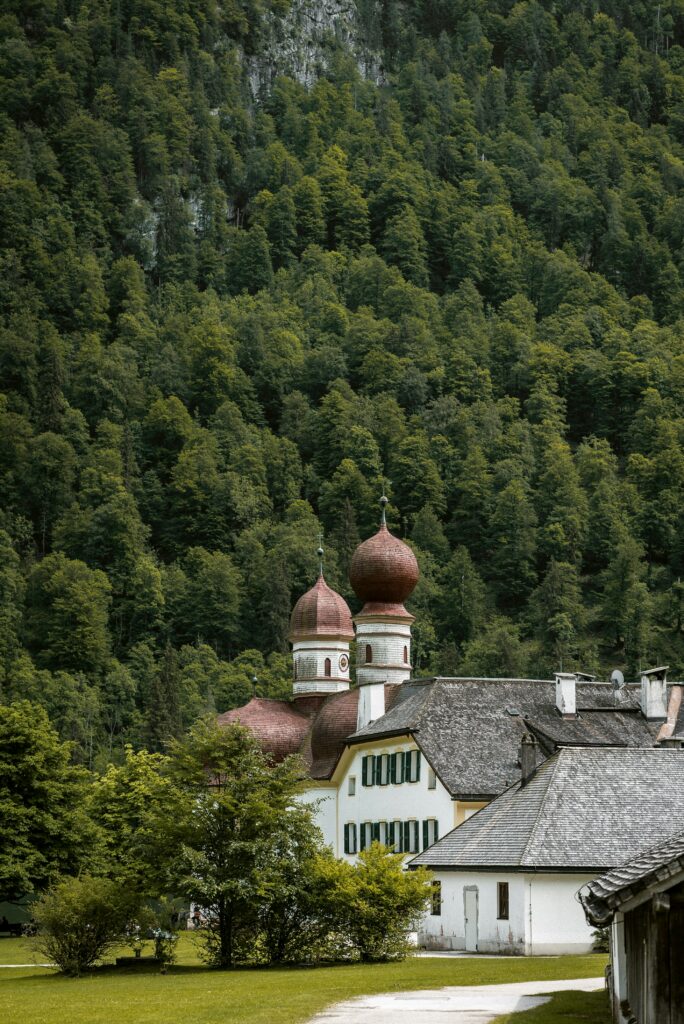
🏯 Hunder Monastery (Lhundrup Monastery)
- A small, peaceful monastery located near the village.
- Known for its serene ambiance and great views of the Nubra Valley.
- Less crowded than Diskit Monastery, perfect for quiet reflection.
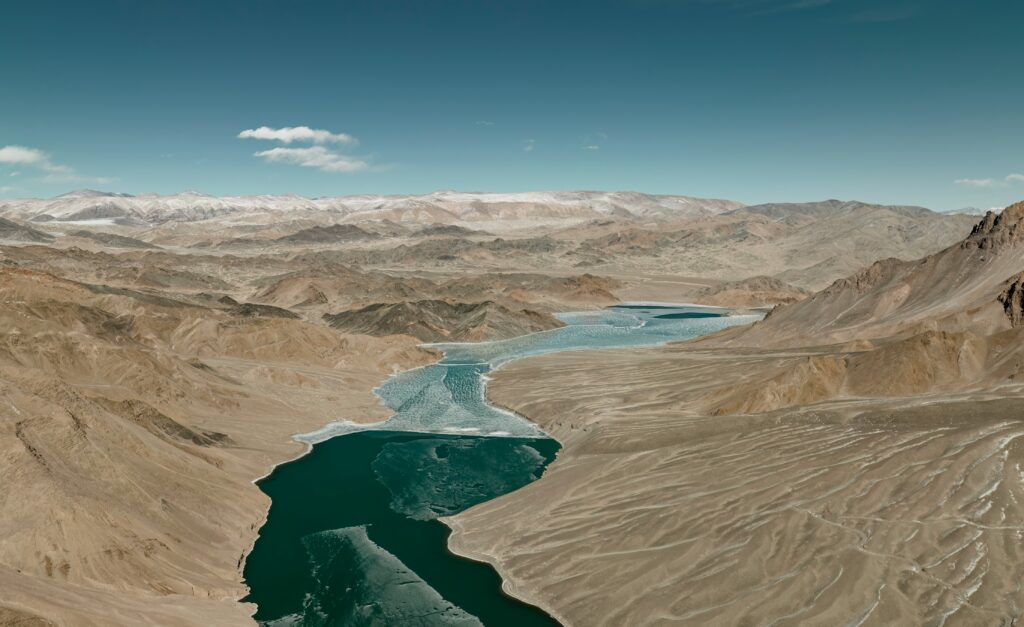
🧭 Hunder River Confluence
- The confluence of the Shyok and Nubra rivers can be seen from nearby hills.
- Offers fantastic photo opportunities, especially during early mornings.
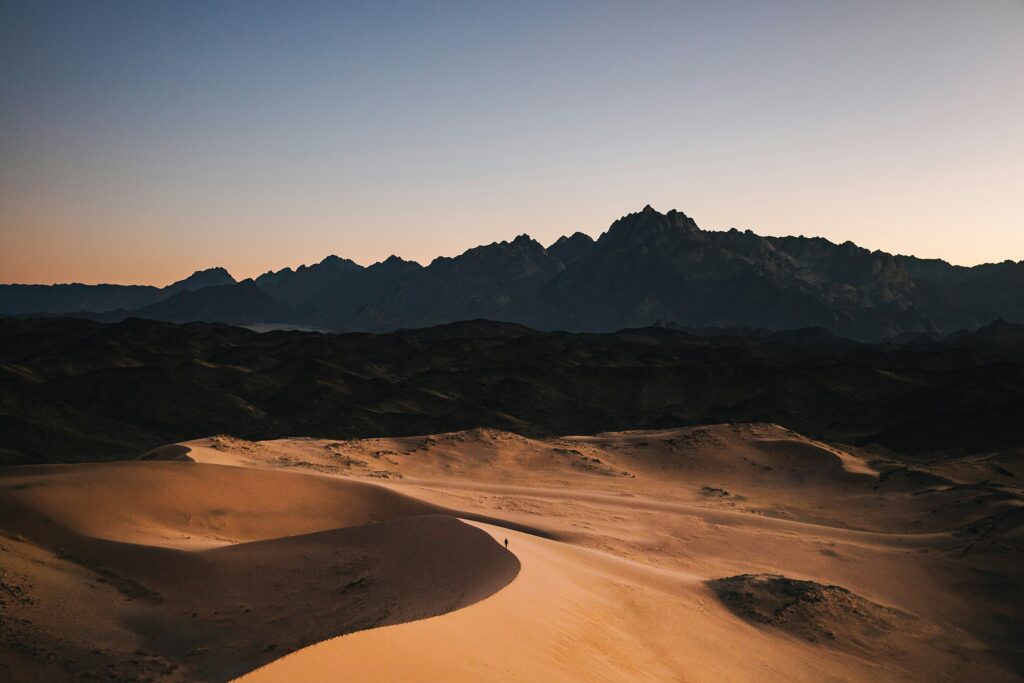
🌸 Lush Oasis in a Desert
- Despite being a desert, Hunder is surprisingly green, with streams, willow trees, and sea buckthorn bushes.
- Many small organic farms grow apricots, apples, and barley.
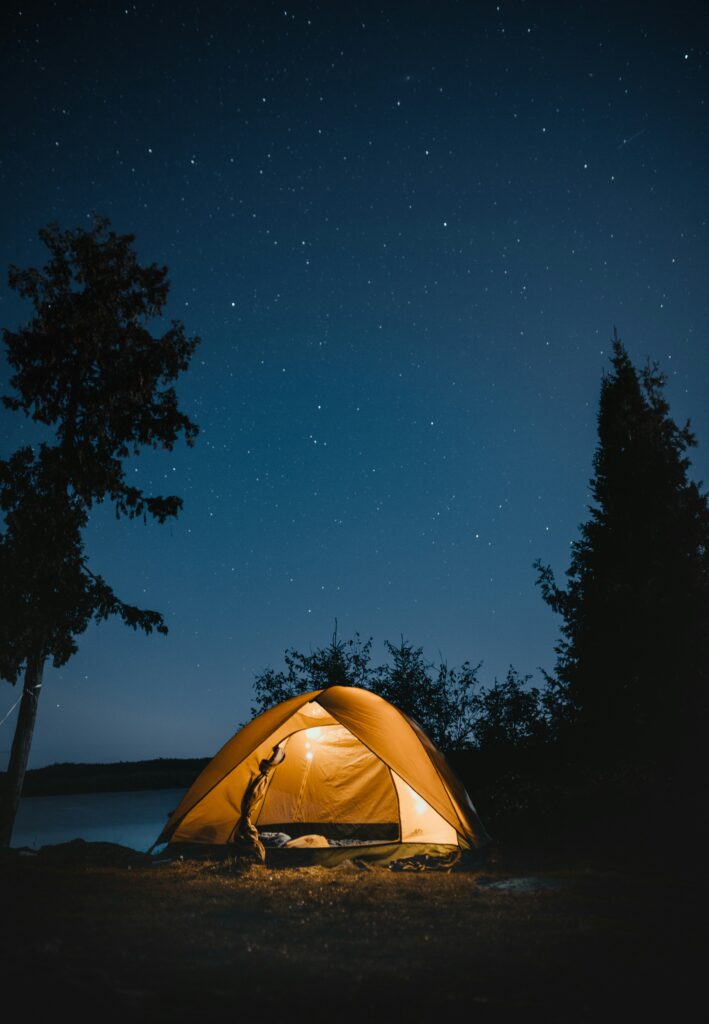
🛌 Stay Experience in Hunder
Organic homestays run by Ladakhi families
Hunder is a favorite for homestays, camps, and eco-resorts.
Many properties offer:
Stargazing nights
Bonfires
Local Ladakhi meals
Great places to stay include:
Stone Hedge Hotel
Desert Himalaya Resort
DAY 4 : PANGONG LAKE
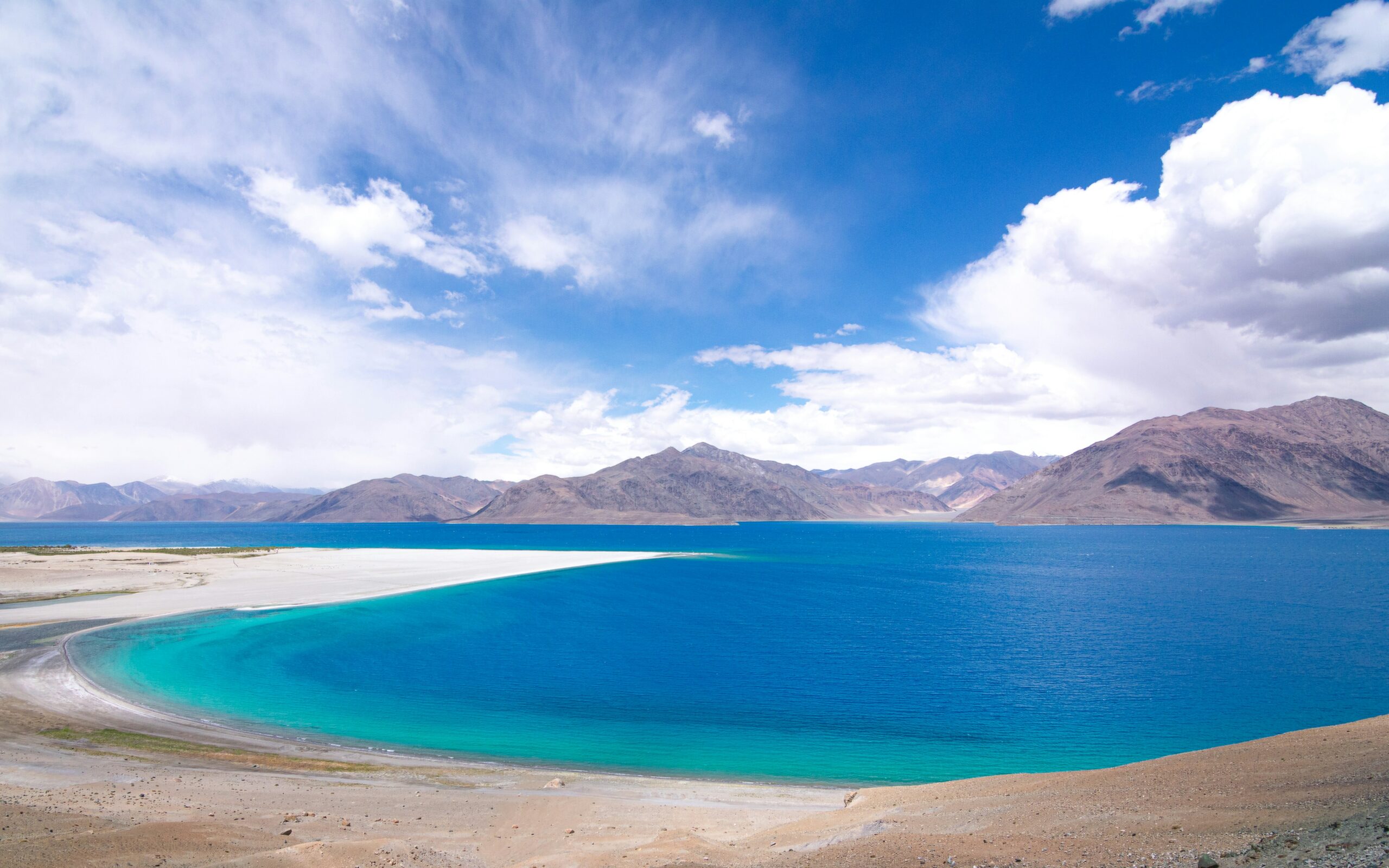
>Discover the pristine beauty of Tso Moriri, a secluded high-altitude lake, and engage with the local Changpa nomads to gain insights into their unique way of life in the remote Changthang Plateau.
>Witness the breathtaking beauty of Pangong Tso, a high-altitude lake that shimmers with vibrant colors, offering an unforgettable visual spectacle amidst the rugged landscape.
>🌟 Why Pangong Lake is Special
1. Color-Changing Waters
- Depending on the sunlight and sky, the lake can look sapphire blue, emerald green, or even steel grey.
- The ever-changing hues give the lake a magical, almost surreal quality.
2. Bollywood Fame
- Made famous by the movie 3 Idiots (the final scene was shot here).
- Also featured in Jab Tak Hai Jaan, Sanam Re, and others.
3. Camping by the Lake
- Popular overnight stay options include tent camps and eco-resorts near Spangmik, Man, and Merak villages.
- Waking up to the view of the lake is a once-in-a-lifetime experience.
- Famous camps: Pangong Sarai, Whispering Waves, Wonderland Camp
4. Photography Heaven
- The lake, backed by stark brown mountains and vast skies, offers some of the best landscape photography opportunities in India.
- Ideal for sunrise and sunset photography.
5. Birdwatching & Wildlife
Nearby areas may have marmots and Himalayan wild asses (kiangs).
You can spot migratory birds like Brahminy ducks, bar-headed geese, and even black-necked cranes.
DAY 5 : Eastern Ladakh
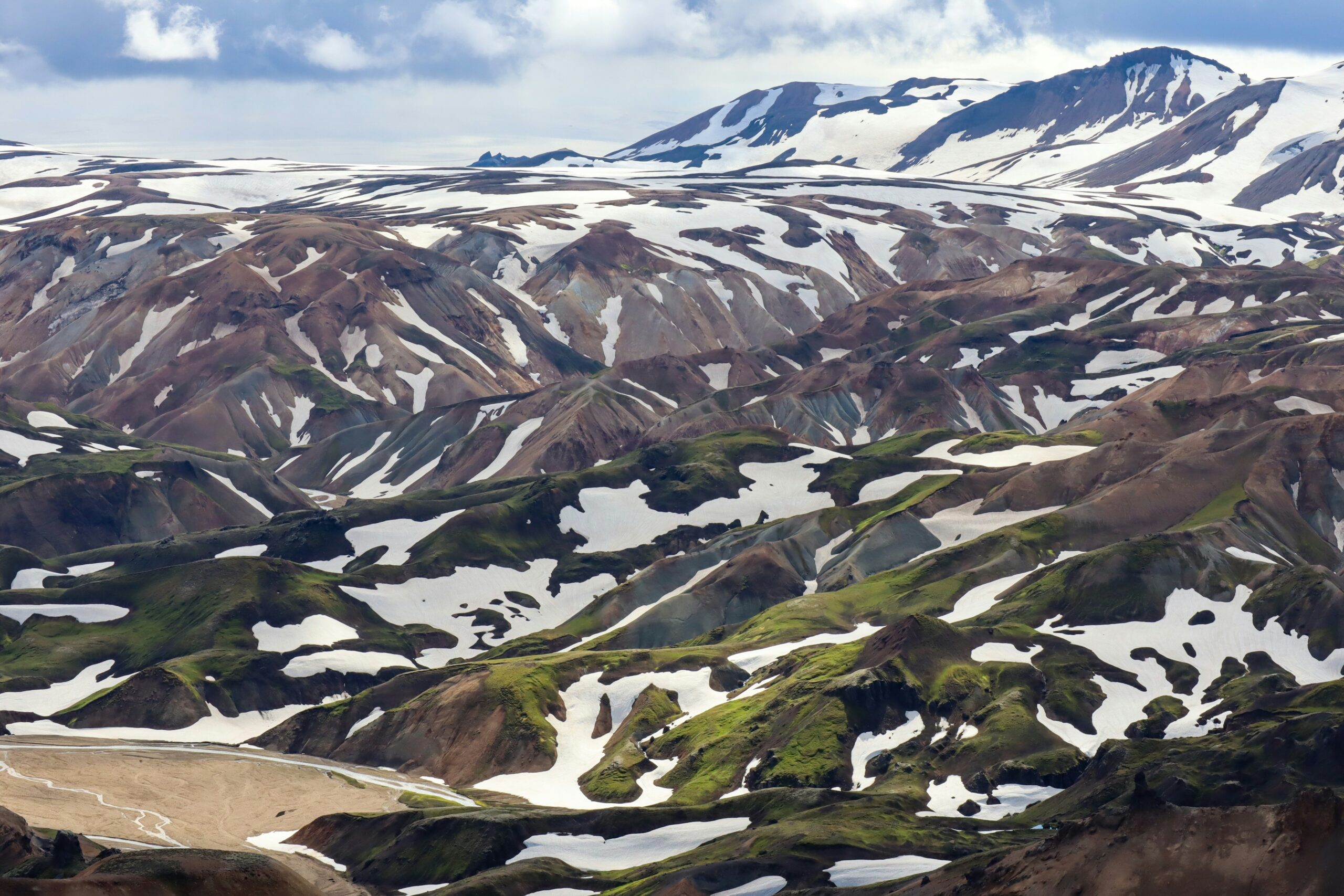
Discover the pristine beauty of Tso Moriri, a secluded high-altitude lake, and engage with the local Changpa nomads to gain insights into their unique way of life in the remote Changthang Plateau.
>Big, picturesque high-altitude spring-fed lake located in the scenic & secluded Rupshu Valley.
>🗺️ Where Is Eastern Ladakh?
- Region: East of Leh, bordering Tibet (China).
- Key Routes: Leh → Chang La → Pangong Tso → Chushul → Hanle → Nyoma → Tso Moriri.
- It’s part of the Changthang Plateau — a cold desert region shared between India and Tibet.
🌟 Top Attractions in Eastern Ladakh
1. 🏞️ Pangong Tso
- Most iconic lake in Ladakh, partly in Tibet.
- Famous for color-changing waters and surreal beauty.
- Location: ~160 km from Leh.
2. 🏕️ Hanle
- One of the world’s highest observatories (IAO Hanle).
- Amazing stargazing location — dark sky reserve.
- Remote village with ancient monastery (Hanle Gompa).
- Permit required.
3. 🐏 Changthang Wildlife Sanctuary
- Home to Kiangs (wild asses), marmots, snow leopards, black-necked cranes.
- Remote, high-altitude grasslands and wetlands.
4. 🌊 Tso Moriri Lake
- Sacred high-altitude lake at ~15,000 ft in Korzok village.
- Quieter and less commercialized than Pangong.
- Spot migratory birds, wild animals, and nomadic Changpa tribes.
- Located in Rupshu Valley.
5. 🕌 Chushul
- A strategic border village near LAC (India-China).
- Site of the Battle of Rezang La (1962).
- Important for defense and historical relevance.
- Entry usually allowed with special permits.
6. 🛣️ Umling La Pass
- World’s highest motorable road at 19,024 ft (5,798 m).
- Connects Demchok area with Hanle region.
- Open to Indian nationals with permits.
7. 🏔️ Nyoma & Mahe
Permit zones — great stopovers en route to Tso Moriri or Hanle.
Remote army towns with limited homestays.
DAY 6 : NUBRA VALLEY
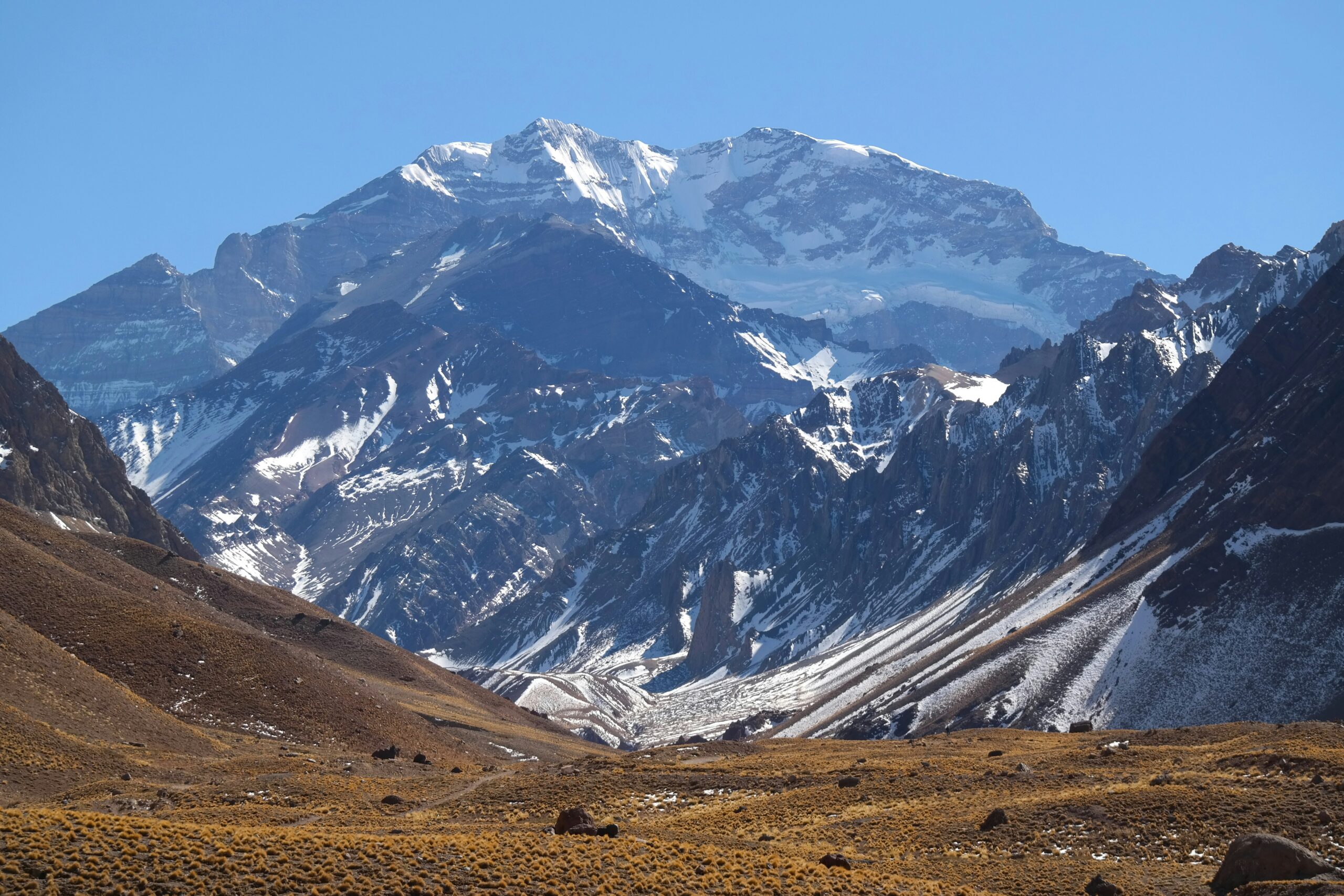
>Nubra Valley in Ladakh is famous for its stunning landscapes, including high-altitude cold desert, sand dunes, and snow-capped mountains. It’s also known for its unique double-humped Bactrian camels , ancient monasteries like Diskit and Samstanling, and the Khardung La pass, one of the highest motorable roads in the world. Additionally, it’s known as the “orchard of Ladakh” due to its fertile land
>Nubra Valley
- Located ~120 km north of Leh, via Khardung La Pass (one of the highest motorable roads in the world at 18,380 ft).
- Formed by the confluence of the Shyok and Nubra rivers.
- Key areas: Diskit, Hunder, Turtuk, Panamik, Sumur, Warshi.
🌄 Top Places to Visit in Nubra Valley
1. 🏯 Diskit Monastery
- Oldest and largest monastery in Nubra.
- Famous for its 32-meter tall Maitreya Buddha statue overlooking the valley.
- Offers panoramic views and peaceful vibes.
2. 🐫 Hunder Sand Dunes
- Cold desert with double-humped Bactrian camels.
- Camel rides, ATV rides, and surreal sunset views.
3. 🏞️ Turtuk
- A Baltistani village that was part of Pakistan till 1971.
- Known for its lush orchards, stone houses, and unique culture.
- Last civilian village before the Pakistan border.
- Very different culturally from the rest of Ladakh.
4. 💦 Panamik Hot Springs
- Natural sulfur-rich hot water springs.
- Thought to have medicinal benefits.
- Located near the Siachen base camp route.
5. 🛕 Sumur & Samstanling Monastery
- A peaceful village with traditional Ladakhi homes and a beautiful monastery.
- Lesser known but worth visiting.
6. 🏔️ Warshi, Yarma Gompa & Siachen Base View
Great for offbeat explorers
Warshi is the last village before Siachen Glacier (access sometimes limited).
Leave a Reply