
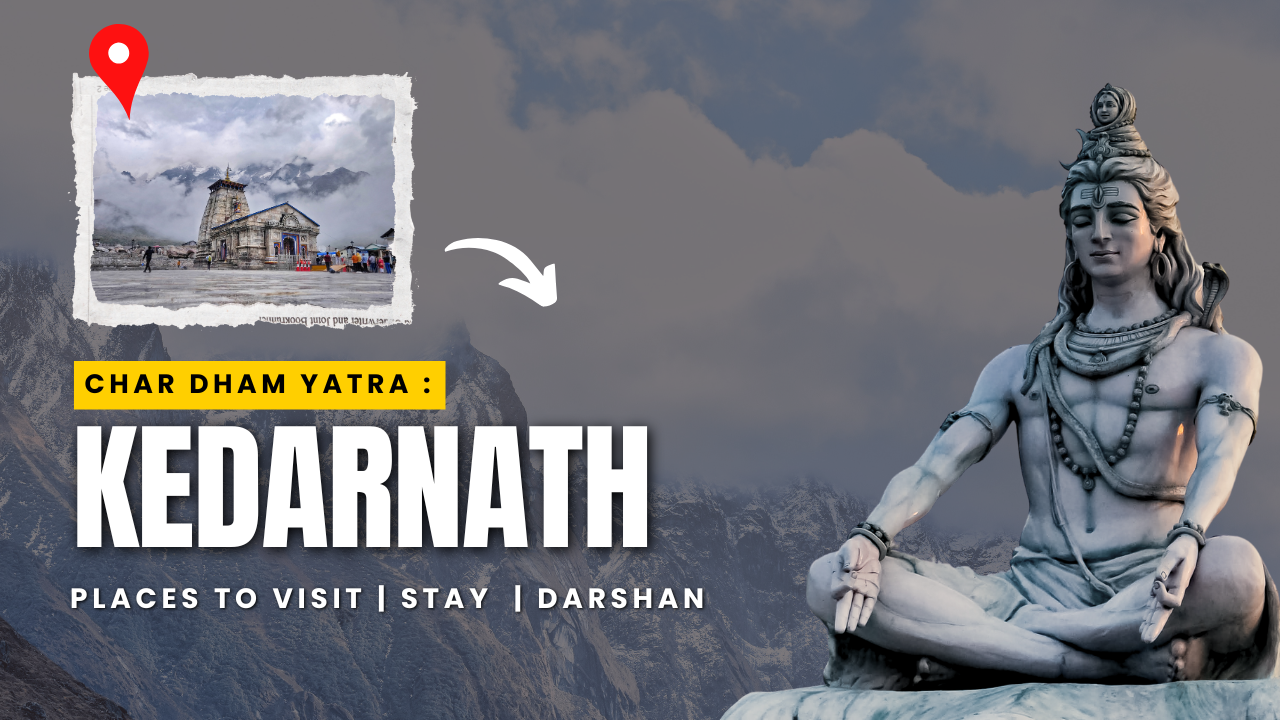
Introduction:
Kedarnath is not just a pilgrimage; it is an emotional journey and a lifelong dream for countless people. Nestled high in the Himalayas, Kedarnath holds a divine charm that goes beyond religion—it represents faith, devotion, and life’s struggles and hopes. For many, visiting Kedarnath is a way of fulfilling their deepest wish, carrying their stories of pain, dreams, and gratitude to the sacred feet of Lord Shiva.
Starting My Journey from Kurukshetra:
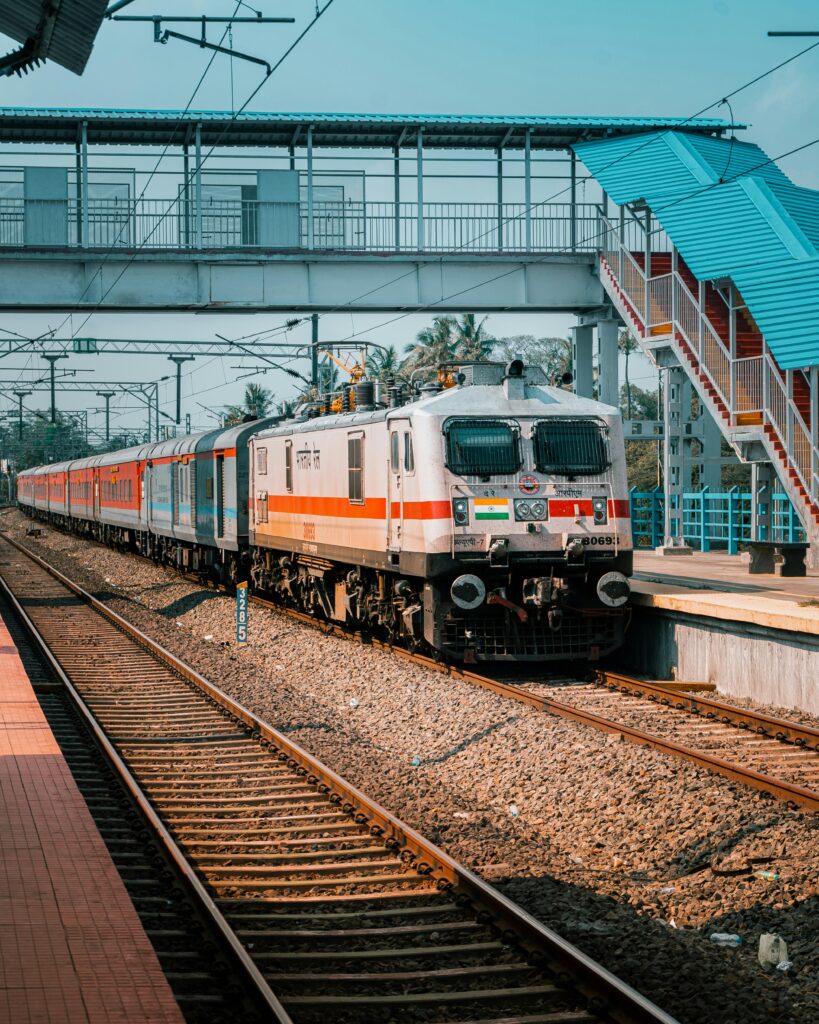
Starting my journey from Kurukshetra to Haridwar by train was itself a spiritual experience. Sitting in the train, I could feel a sense of excitement and devotion in my heart. The train slowly moved out of Kurukshetra, the land of the Mahabharata, and every mile brought me closer to the holy city of Haridwar. Looking outside the window, the fields, small towns, and the changing landscapes made me realize that this was not just a trip—it was the beginning of a spiritual dream.
Haridwar – The Gateway to the ganges :
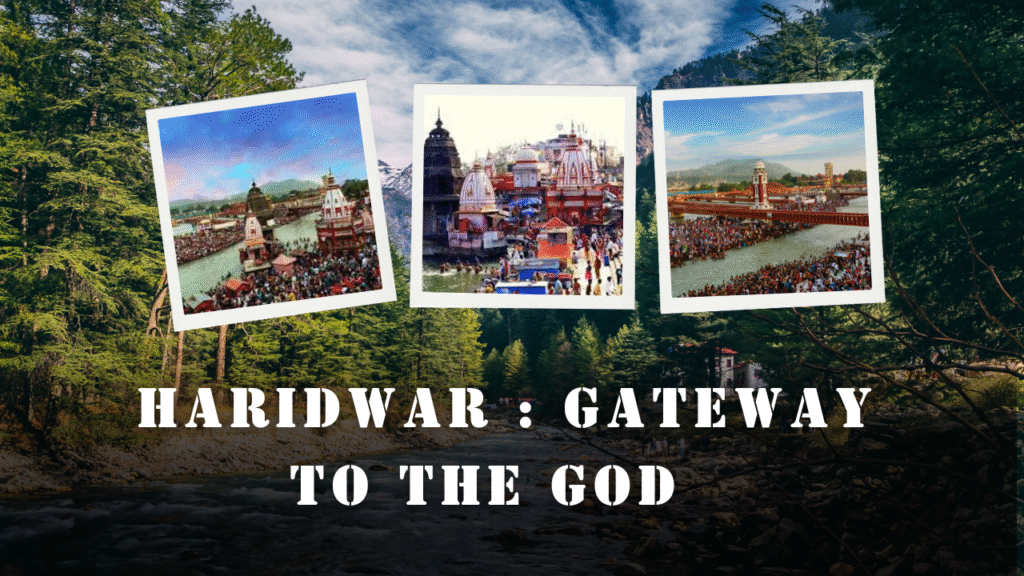
Haridwar, one of the holiest cities in India, is often called “The Gateway to the Mountains” because it marks the starting point of the sacred journey to the Himalayas and the Char Dham Yatra, including Kedarnath and Badrinath. Nestled on the banks of the holy river Ganga, Haridwar is not just a city—it is an experience that touches your soul . As you step into Haridwar, the first thing you feel is the air . The sound of temple bells, the chants of mantras, and the sight of the Ganga flowing with grace instantly fill your heart with peace. The city is alive with devotion, where every corner tells a story of faith and tradition
Haridwar to Guptkashi from Bus :
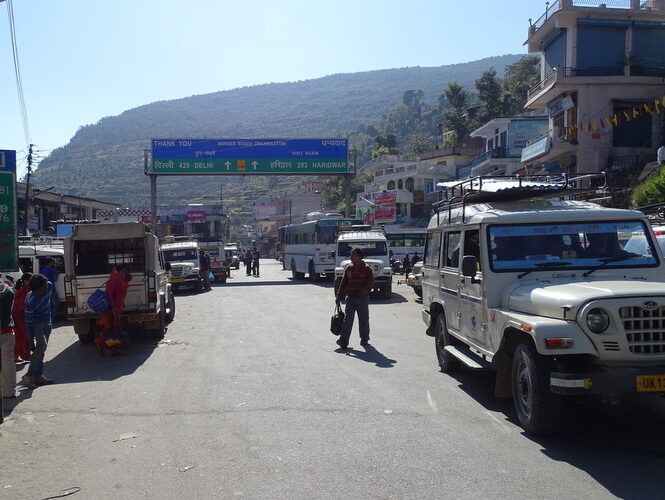
After reaching Haridwar, I went to the bus stand, hoping to find a direct bus to Guptkashi. But the bus wasn’t ready yet there was still some time left for it to depart. So I walked over to a small tea stall nearby. I had a cup of tea and grabbed a quick bite to eat. Once the bus arrived, I got in and continued my journey. My journey wasn’t over yet I still had to reach Kedarnath. As the bus moved forward, I saw many beautiful and famous places along the way.
One of the first stops I noticed was Rishikesh, a place known for its spiritual energy and riverfront beauty. Further ahead, I saw Devprayag, the sacred confluence where the rivers Alaknanda and Bhagirathi meet to form the Ganga. Every turn on the road seemed to offer something divine. As we went deeper into the mountains, I witnessed the natural charm of Srinagar (Uttarakhand).
Journey to Gaurikund
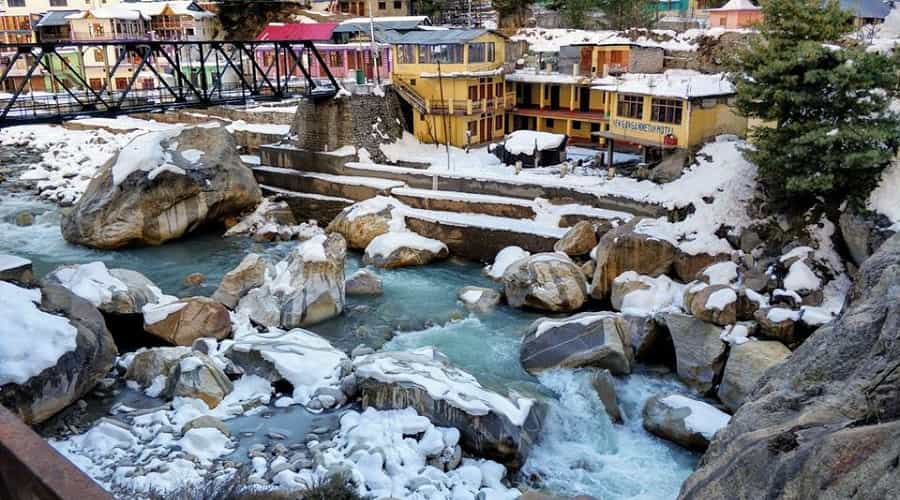
The Kedarnath Yatra begins at the Gauri Kund, located at a height of 6500 feet in the Garhwal Himalayas, where the road ends and the 16-kilometer trek to the Kedarnath Temple begins. The hot water springs at Gauri Kund are revered as one of the holiest Hindu sites. The most breathtaking view is from the Gauri Kund, which is located on the Mandakini River’s bank. According to legend, the Gauri Kund is also associated with Lord Ganesh and how he got his elephant head.
Suggested to Read = Gaurikund to Kedarnath Trek
While taking a bath, Goddess Parvati fashioned Lord Ganesh from her soap lather and placed Lord Ganesh as a guard at the Kund’s entrance, warning him not to let anyone enter while she was meditating. When Lord Ganesh refused to enter of Lord Shiva himself unknowing to the fact he is her husband, infuriated Shiva and he chopped off Ganesh’s head. After Parvati insisted that the child be brought back to life, Lord Shiva took the head of a wandering elephant and placed it on Ganesha’s body. The Gauri Kund, also known as Parvati Sarovar, is a sight to behold, surrounded by lush green forest, flowing Ganga, and the Gauri temple.
Trekking Towards Kedarnath :
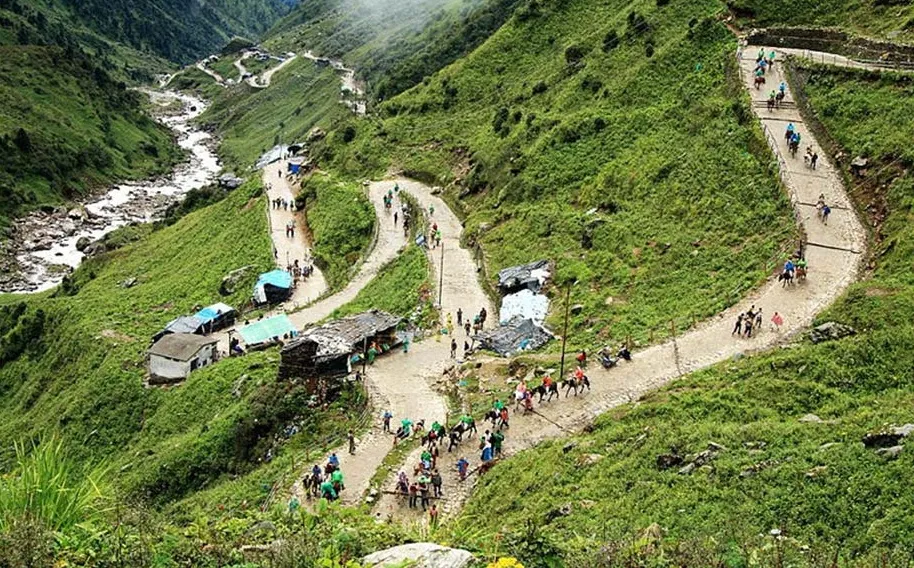
As you start the climb, you are surrounded by the chants of “Har Har Mahadev”, fellow pilgrims walking with determination, and the crisp Himalayan air filling your lungs. The path is challenging, with sharp ascents, narrow trails, and unpredictable weather. Yet, every step feels purposeful, as if the mountains themselves are guiding you closer to Lord Shiva’s abode and Along the way, you pass through waterfalls , dense forests, small villages, and resting camps. Horses, mules, and even palanquins carry those who cannot walk, but for those on foot, the trek is deeply spiritual.
The difficulty of the path makes the destination even more meaningful—each ache, each drop of sweat feels like an offering to the divine. When the Kedarnath Temple finally comes into view, surrounded by snow-clad peaks, the exhaustion vanishes, replaced by overwhelming joy and peace. Many pilgrims are moved to tears, as the journey is not just about reaching a place—it’s about discovering strength, faith, and the deeper meaning of devotion.
My feeling at Kedarnath :
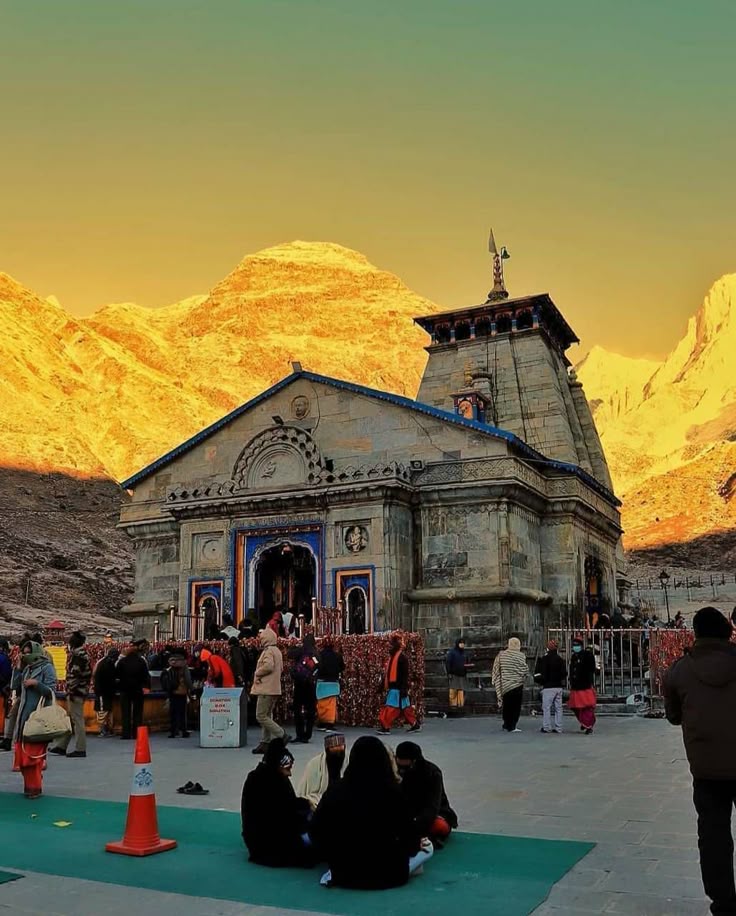
In that moment, all the pain of the trek, the tiredness, and the struggles disappeared. What remained was a deep sense of peace and fulfillment. I felt as if Lord Shiva himself was present, watching over every devotee who had come with love and faith.
My soul felt lighter, my eyes were moist, and my hands folded automatically in prayer. It was not just a temple I was looking at—it was the dream of a lifetime, a place where heaven seemed to touch earth.
At a Standing movement there, I realised that Kedarnath is not just about reaching a destination—it is about finding yourself, your faith, and your connection with the divine. When I finally stood before the Kedarnath Mandir, my heart was overwhelmed.
After the long and difficult journey, the first sight of the temple against the backdrop of the mighty Himalayas brought tears to my eyes. It felt like time had stopped—the sound of the cold winds, the chanting of devotees, and the ringing of temple bells all blended into a divine silence within me.
Explore the Best Tourist Spots near Kedarnath
1 : Gandhi Sarovar
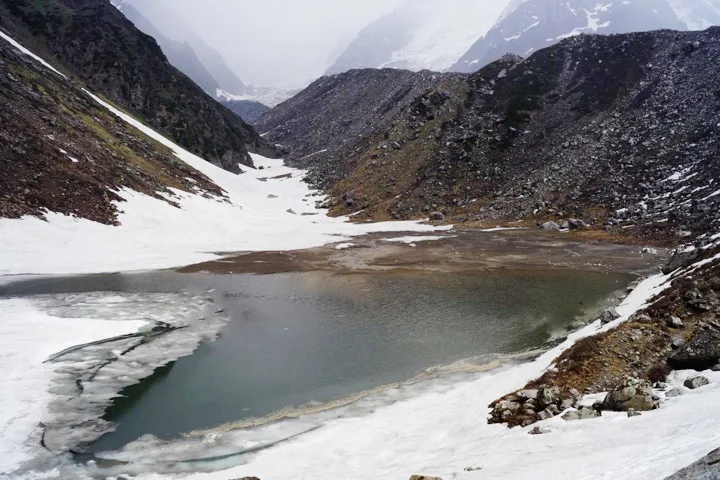
The surrounding Himalayan peaks can be seen from the crystal-clear Chorabari Tal. The lake, also known as the Gandhi Sarovar or Gandhi Tal, is about 3 kilometres from the Kedarnath temple. A short walk from the temple takes you to the lake, which was formerly known as Kanti Sarovar. In 1948, some of Mahatma Gandhi’s ashes were scattered in the lake, which was renamed Gandhi Sarovar.
According to legend, Lord Shiva taught the Saptarishis the art of yoga at Chorabari Lake. The Chorabari Bamak Glacier feeds the lake, which is located at an elevation of 3,900 metres above sea level. Also, pay a visit to the nearby Bhairava Temple. On the way, the breathtaking Madhuganga Waterfalls provide a peaceful rest stop.
2 : Sonprayag
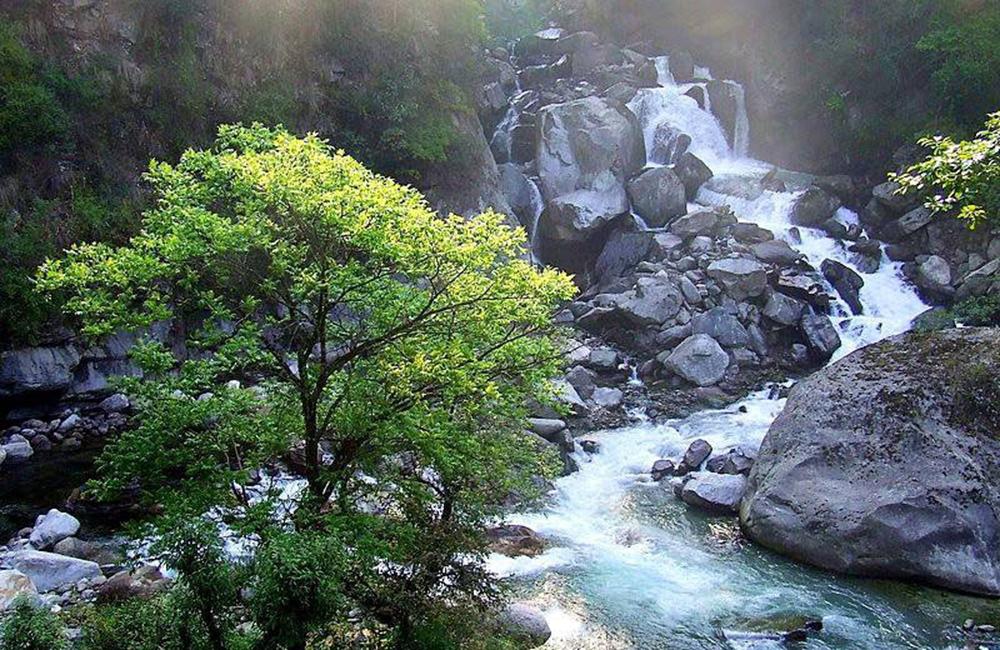
Sonprayag is a small hamlet in Uttarakhand’s Rudraprayag district. It has an elevation of 1829 metres. On the way to Kedarnath Dham, pilgrims stop at Sonprayag. Sonprayag sits at the confluence of two sacred rivers, the Vasuki and the Mandakini. Bathing in the river is widely believed to wash away one’s sins. Sonprayag is a popular tourist destination due to its proximity to snow-capped peaks. This tranquil setting is enhanced by snow-capped peaks and flowing rivers. Triyuginarayan, said to be the marriage site of Lord Shiva and Parvati, is about 10 kilometres from Sonprayag.
3 : Vasuki Tal
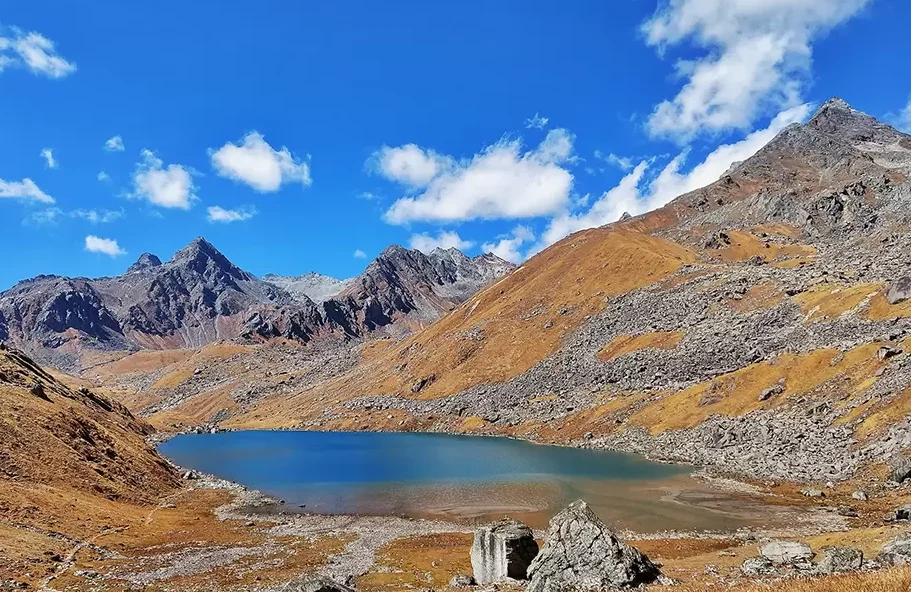
Vasuki Tal, also known as Vasuki Lake, is a beautiful lake located in the beautiful hills of Kedarnath, Uttarakhand, at an elevation of 4135 metres. It is also popular among Uttarakhand Treks. Vasuki Tal is surrounded by high mountains and provides a breathtaking view of several Himalayan peaks. In ancient times, Lord Vishnu is said to have bathed in this lake. The sight of Vasuki Tal’s crystal clear water flowing through the lake revealing the rock stacks within is breathtaking. This lovely lake provides a beautiful view of the nearby Chaukhamba peaks.
Conclusion :
The journey to Kedarnath was one of the most meaningful and spiritual experiences of my life. It wasn’t just about reaching a holy place it was about understanding myself, my faith, and the deeper meaning of life The path was difficult, but with every step, my belief grew stronger.
Leave a Reply