
1. Introduction: Social Media’s Impact on Protests in Nepal and Civil Unrest Causes
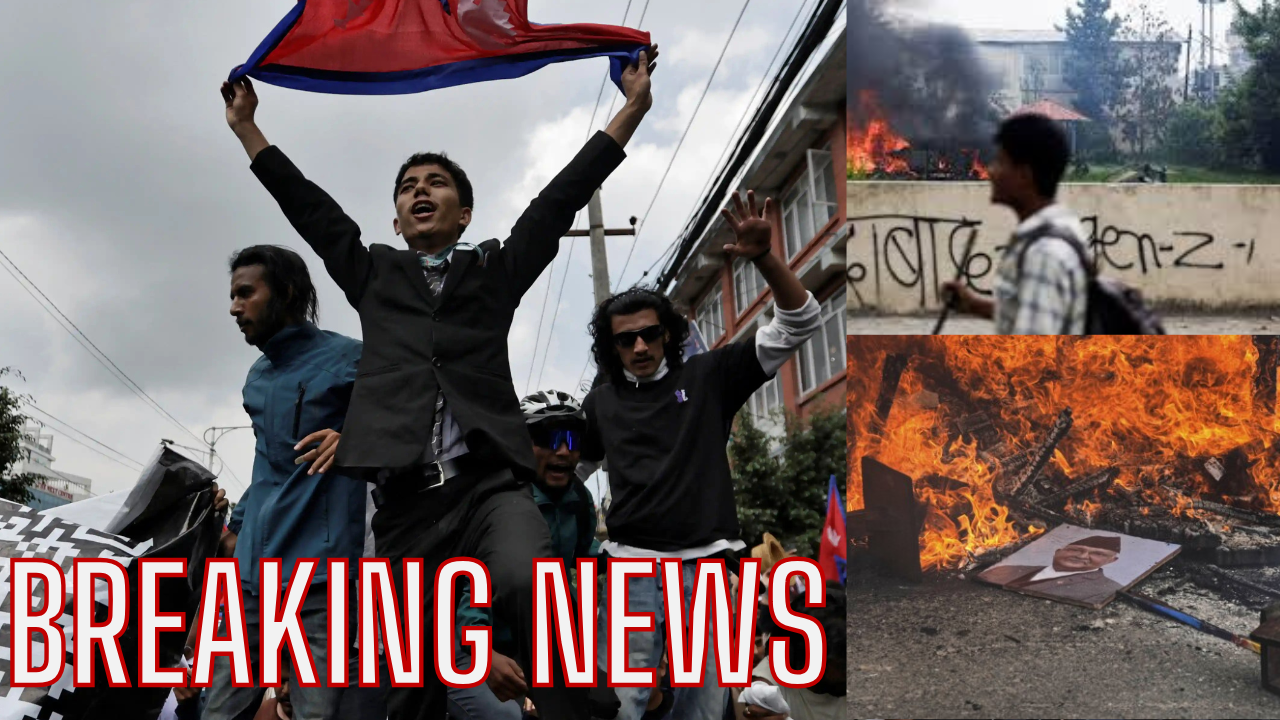
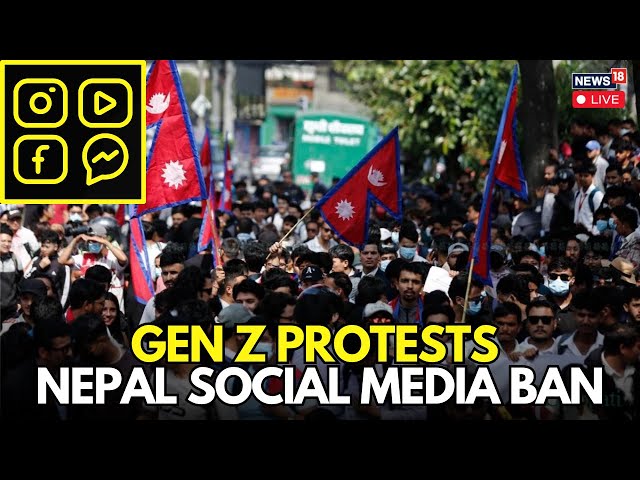
Social media has become a powerful tool in shaping modern protests and civil movements around the world, and Nepal’s recent unrest is a striking example of this phenomenon. In 2025, widespread protests erupted across Nepal, primarily driven by young citizens expressing anger over government censorship, corruption, economic inequality, and political instability. The government’s sudden ban on major social media platforms such as Facebook, Instagram, YouTube, and WhatsApp acted as the immediate trigger, but deeper frustrations among the youth fueled the movement. Despite the ban, protesters used VPNs and alternative platforms like TikTok and Viber to organize massive demonstrations. This digital resilience not only allowed the protests to gain momentum but also showcased how social media plays a critical role in mobilizing civil unrest in Nepal. Understanding these causes—government overreach, nepotism, and lack of economic opportunity—helps us grasp the complex relationship between social media and contemporary protest movements in Nepal.
Table of contents
- Introduction – Social media empowers fearless young activists in Nepal, enabling them to expose corruption, organize protests, and mobilize massive crowds. It drives civil unrest by amplifying voices against government censorship, inequality, and political instability, fueling powerful movements for change.
- Role of Social Media in Modern Protests – Social media plays a crucial role in modern protests by enabling instant communication, spreading awareness, and organizing movements. It empowers activists to bypass traditional media, mobilize supporters, expose injustices, and pressure governments, driving rapid, large-scale social and political change worldwide..
- Mobilization of Protesters – In Nepal, social media enables rapid mobilization of protesters by spreading real-time information, organizing rallies, and uniting voices against injustice. Young activists use digital platforms to coordinate actions, raise awareness of corruption, and fuel nationwide movements demanding political and social change.
- Negative Impacts of Social Media During Protests – While social media empowers protests in Nepal, it also spreads misinformation, fuels rumors, and incites violence. Fake news and manipulated content escalate tensions, creating confusion and unrest, sometimes leading to chaotic situations that undermine peaceful demonstrations and harm the protest movement’s credibility
2. Role of Social Media in Modern Protests in Nepal
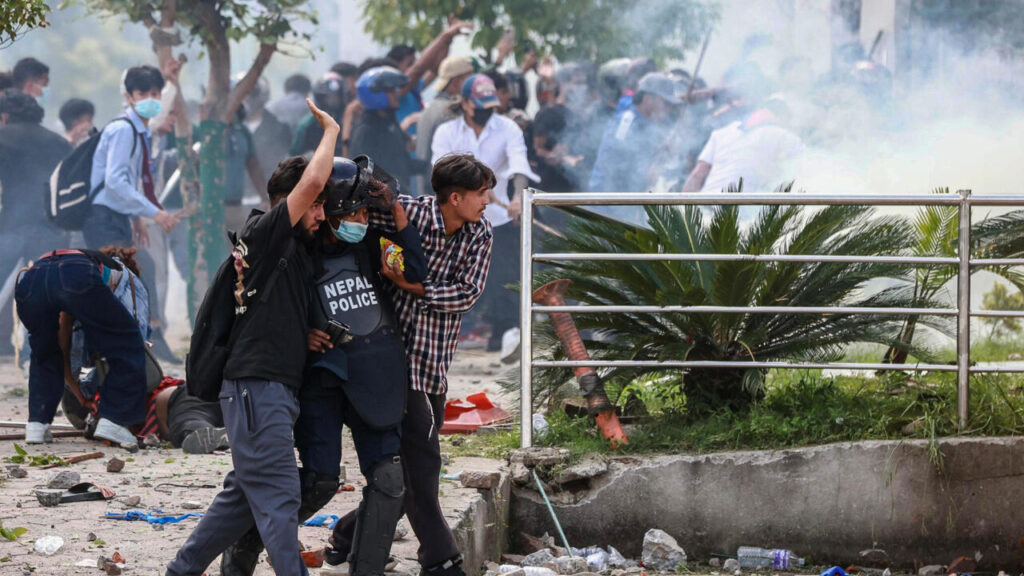
In today’s digital age, social media has emerged as a powerful force driving modern protests across the globe. Platforms like Facebook, Twitter, Instagram, and TikTok provide activists and ordinary citizens with the ability to share their voices instantly, organize movements, and broadcast real-time events to the public without relying on traditional media. During the recent protests in Nepal, young Gen Z protesters used social media to express their overwhelming anger, frustration, and determination against government mismanagement and political instability. The ability to post videos, images, and personal testimonies gave them a sense of empowerment, connecting them with a wider audience and amplifying their cause. However, these platforms also became spaces of intense emotional expression, where fear of repression mixed with hope for political change, driving millions to take action despite the risk of violence or censorship.
- Frustration: Emotional tension caused by repeated inability to achieve desired political change or freedom of expression.
- Determination: A firm resolve to continue the protest, fueled by belief in the possibility of change.
- Hope: The optimistic feeling that collective action can bring about democracy, justice, and accountability.
- Anger: A strong feeling of displeasure and hostility toward injustice, government failure, and political corruption.
3. Mobilization of Protesters in Nepal
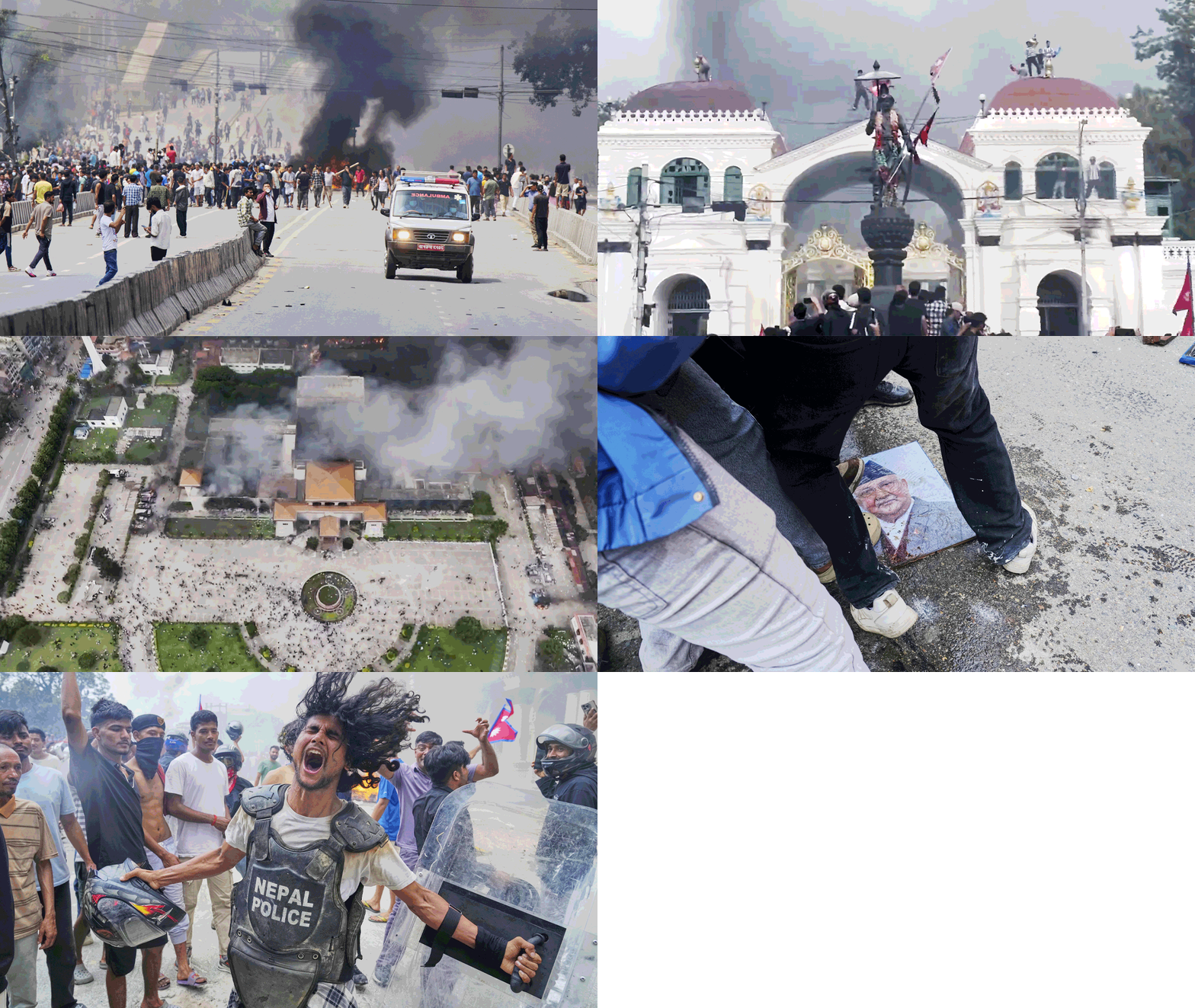
During the recent protests in Nepal, social media played a crucial role in mobilizing thousands of people, especially young Gen Z activists, who were frustrated by political instability and government mismanagement. Platforms like Facebook, Twitter, Instagram, and TikTok became powerful tools for sharing real-time updates, organizing protest locations, and spreading viral hashtags such as #NepalProtests and #StopOliGovernment. These digital channels enabled protesters to quickly coordinate large gatherings in major cities, including Kathmandu.
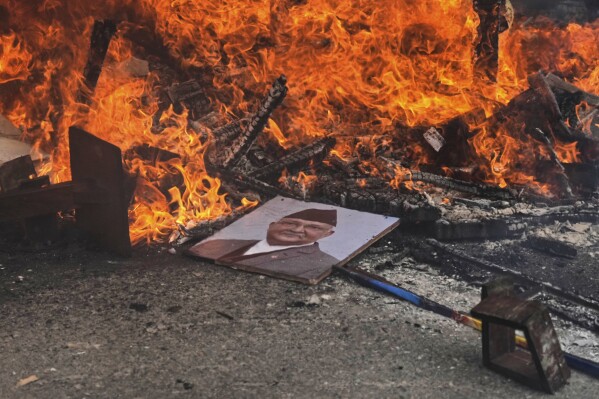
Videos of police brutality, government corruption, and acts of resistance such as torching Prime Minister K.P. Sharma Oli’s residence and setting fire to parliament buildings circulated widely on social media, attracting national and international attention. The emotional posts—filled with anger, fear, and hope—helped inspire more people to join the protests, breaking the barrier of fear despite government efforts to impose a social media ban.
The decentralized nature of social media allowed many individuals to act independently while contributing to the same collective goal. As a result, the protest movement gained momentum rapidly, with peaceful marches turning into large-scale demonstrations. Even when the government tried to control the narrative by cutting off access to online platforms, protesters found creative ways to bypass restrictions, demonstrating the power of digital activism in modern Nepal.
4. Negative Impacts of Social Media During Protests in Nepal
While social media plays a vital role in organizing and amplifying protests, it also has significant negative impacts, especially during events like the recent Nepal protests. One of the main issues is the spread of misinforma https://www.csohate.org/2024/12/10/nepal-misinformation-disinformation/tion and fake news. In many cases, rumors and unverified claims about government actions, protest violence, or political conspiracies are shared rapidly, causing panic, confusion, and mistrust among the public. This misinformation can escalate tensions and lead to unnecessary violence or clashes between protesters and law enforcement.
Another negative impact is the polarization of public opinion. Social media platforms often create echo chambers where users are exposed mainly to opinions that reinforce their own beliefs. This deepens societal divides and reduces the chance for peaceful dialogue or compromise.
Additionally, governments frequently respond by imposing social media bans or internet shutdowns, aiming to prevent protesters from organizing or spreading their message. However, these restrictions often backfire, fueling more anger and increasing the protester’s determination to resist authoritarian control.
Moreover, the constant sharing of graphic images and videos can cause psychological stress and fear among the public and even among the protesters themselves, making the movement emotionally draining over time.
Leave a Reply