
In this blog, I will tell you how we can keep our body fit. Maintaining a fit body is a complete process that includes regular exercise, a balanced diet, enough rest, and mental well-being. It’s not just about how you look, staying fit helps prevent illness, lifts your mood, and gives you more energy every day.
Table of the content
1. Why to maintain a fit body ?
2. Ways to maintain a fit body ?
2.1 Regular exercise
2.2 Healthy diet
2.3 Rest and Recovery
2.4 Stress management
2.5 Consistency and Patience
3. How to get started ?
4. Conclusion
1. Why to maintain a fit body ?
In today’s fast-paced world, taking care of your body often takes a backseat. The rise of desk jobs, easy access to fast food, and sedentary lifestyles have made it challenging for many people to prioritize fitness. However, maintaining a fit body is not just about looking good on the outside; it’s about feeling good and living a longer, healthier life.
2. Ways to maintain a fit body ?
Staying fit is important for living a healthy and happy life. A fit body gives you more energy, keeps you strong, and protects you from many diseases. But how can we keep our body fit?
Here are some simple and effective ways:
2.1 Regular exercise
2.1.1 Cardio exercise:
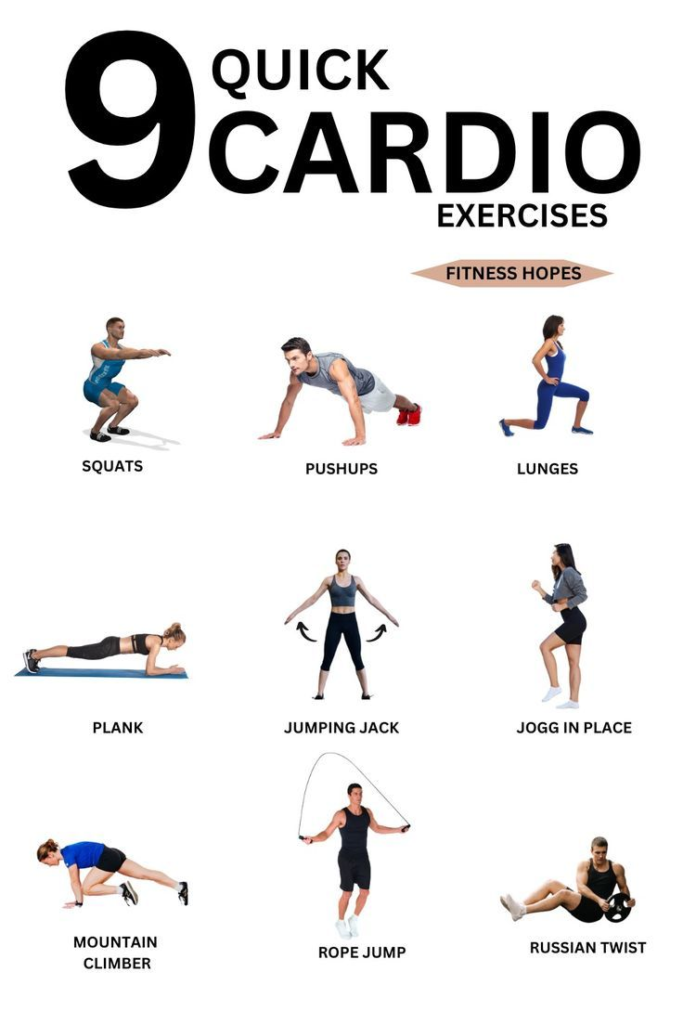
Cardio exercise short for cardiovascular includes any physical activity that increases your heart rate and breathing for a sustained period of time. It strengthens the heart, lungs, and circulatory system. You can do brisk walking, jogging, cycling, or swimming. Aim for at least 150 minutes of moderate or 75 minutes of vigorous-intensity exercise per week.
Benefits of Cardio Exercise:
1. Improve heart and lung health.
2. Burn fat and reduce weight.
3. Increase stamina and endurance.
4. Reduce stress and anxiety.
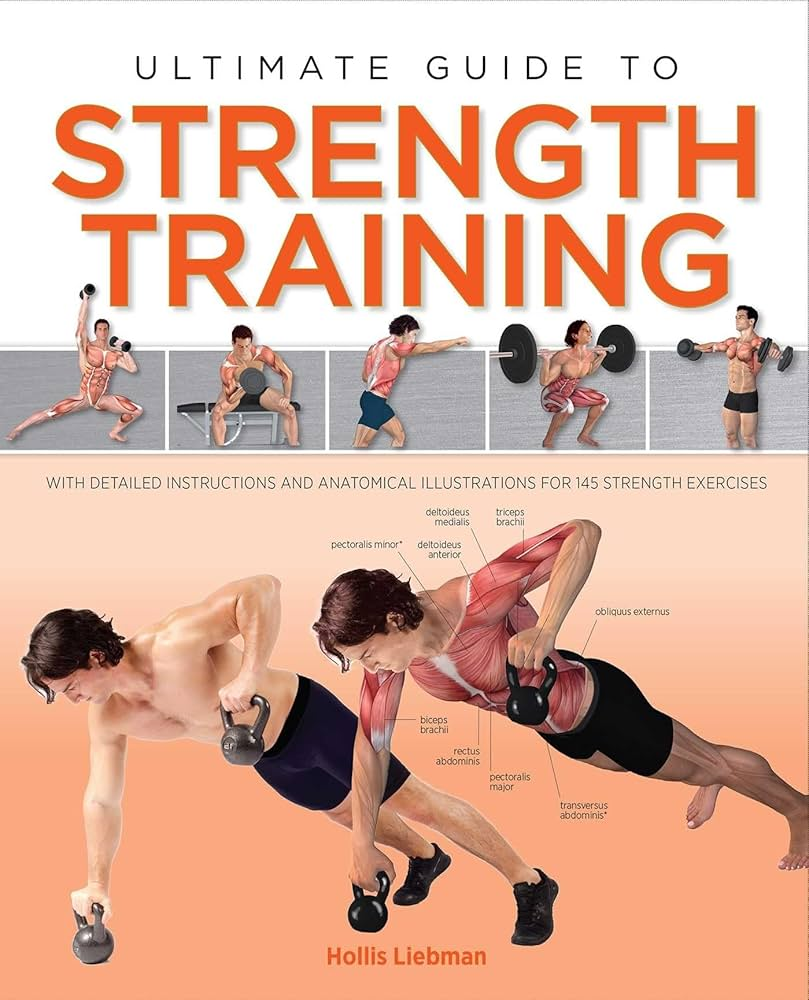
2.1.2 Strength Training:
Strength training, also known as resistance training, is a form of exercise that focuses on building muscle strength, endurance, and size by working against a resistance. Exercises like push-ups can help us lose weight. We can also do strength training using dumbbells, resistance bands, and gym machines, which help make the body stronger and keep us fit.
Benefits of Strength Exercise:
1. Increased muscle mass.
2. Improved bone density.
3. Enhanced metabolism.
4. Better weight management.
2.1.3 Flexibillity and Balance:
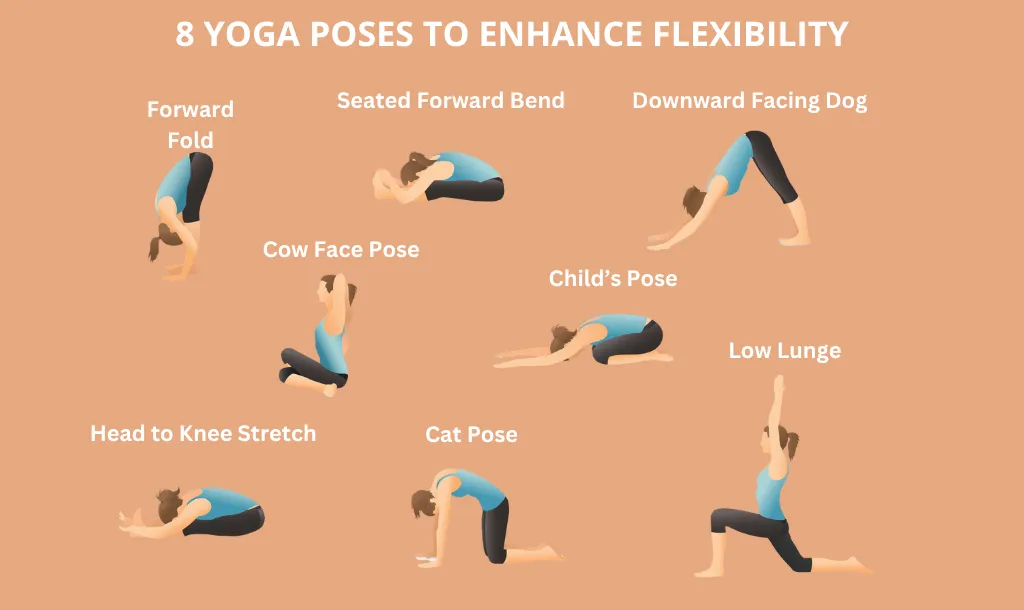
Flexibility and balance exercises make the body more active and stable. These exercises strengthen the muscles, increase joint mobility, and reduce the risk of falls or injuries. They also make everyday tasks like walking, sitting, and bending easier. Along with that, they improve mental focus and body control. With regular practice, it becomes possible to stay active and healthy even as we age.
Benefits of Flexibillity and Balance:
1. Improves muscle flexibility.
2. Joint mobility and strength.
3. Enhances body balance.
4. Stay active with age.
5. Improves body posture.
2.1.4 Variety is Key:
Variety is key to a healthy diet, meaning consuming a wide range of foods from different food groups to ensure the body gets all the necessary nutrients. Too often, people fall into the trap of eating the same meals over and over. While it may be convenient or comfortable, sticking to a limited menu can lead to nutritional gaps over time. No single food contains all the vital nutrients such as vitamins, minerals, protein, healthy fats, and carbohydrates that the human body needs to thrive.
Benefits of Variety is Key:
1. Nutrient Diversity.
2. Reduced Boredom.
3. Improved Digestion.
4. Lower Disease Risk.
5. Sensory Experience.
2.2 Healthy diet
2.2.1 Balanced Nutrition:
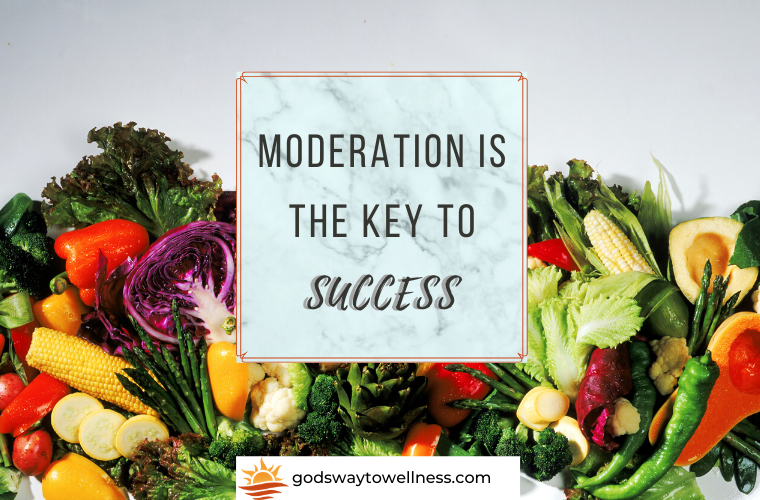
Balanced nutrition means eating from all food groups: fruits, vegetables, grains, proteins, and dairy. Each group gives different nutrients that the body needs to stay healthy. For example, fruits and vegetables give vitamins, while proteins help build muscles. No single food can give all the nutrients. Eat a mix of different foods every day.
Benefits of Balanced Nutrition:
1. Enhanced Energy and Vitality.
2. Stronger Immune System.
3. Disease Prevention.
4. Healthy Weight Management.
5. Improved Mental Well-being.
6. Stronger Bones and Muscles.

2.2.2 Portion Control:
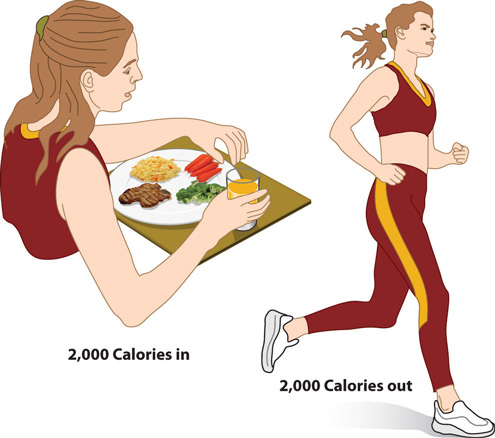
Portion control means eating the right amount, not too much, not too little. Eating big portions can lead to weight gain, while eating too little can make you weak. Use smaller plates, avoid second helpings, and listen to your body. Stop eating when you feel full.
Benefits of Portion Control:
1. Weight Management.
2. Improved digestion.
3. Balanced Blood Sugar.
4. Mindful Eating.
5. Cost Saving.
2.2.3 Water
Drinking enough water is a very important part of a healthy diet. Water helps in digestion, removes waste from the body, and keeps you energetic. Most people need 6–8 glasses of water every day. More if it’s hot or you’re active.
Benefits of Water:
1. Keep a normal temperature.
2. Lubricate and cushion joints.
3. Weight loss.
4. Radiant skin.
5. Muscle function.

2.2.4 Limit Processed Foods
Processed foods like chips, soda, instant noodles, and sugary snacks often contain too much salt, sugar, and unhealthy fats. Eating these often can cause health problems like obesity, diabetes, and heart disease. Try to eat fresh, home-cooked meals. Read food labels and choose healthier options when buying packaged food.
Benefits of Limit Processed Foods:
1. Better Nutrition.
2. Weight Management.
3. Improved Heart Health.
4. More Energy and Focus.
5. Lower Risk of Chronic Diseases.

2.3 Rest and Recovery
2.3.1 Sleep
Sleep is the most important part of recovery. It helps the body repair muscles, build memory, and refresh the brain. Good sleep also boosts mood and improves focus. Children need 9–11 hours of sleep. Adults need 7–9 hours of sleep. Sleep in a quiet, dark, and cool room. Avoid phones or TV before bedtime .
Benefits of Sleep:
1. Boosts Mental Health.
2. Improves Memory and Focus.
3. Better Energy Levels.
4. Improves Skin and Appearance.
5. Balances Hormones.
6. Helps in Weight Management.

2.3.2 Rest Days
Rest days are the days when you give your body a break from exercise or heavy activity. They prevent injuries and allow your muscles to recover and grow stronger. Take at least 1–2 rest days per week. Rest days don’t mean doing nothing gentle walks or stretching is okay. Listen to your body. If you feel very tired, take a break.
Benefits of Rest Days:
1. Muscle Recover.
2. Prevents Injury.
3. Boosts Performance.
4. Supports Mental Health

2.4 Stress management
2.4.1 Mindfulness
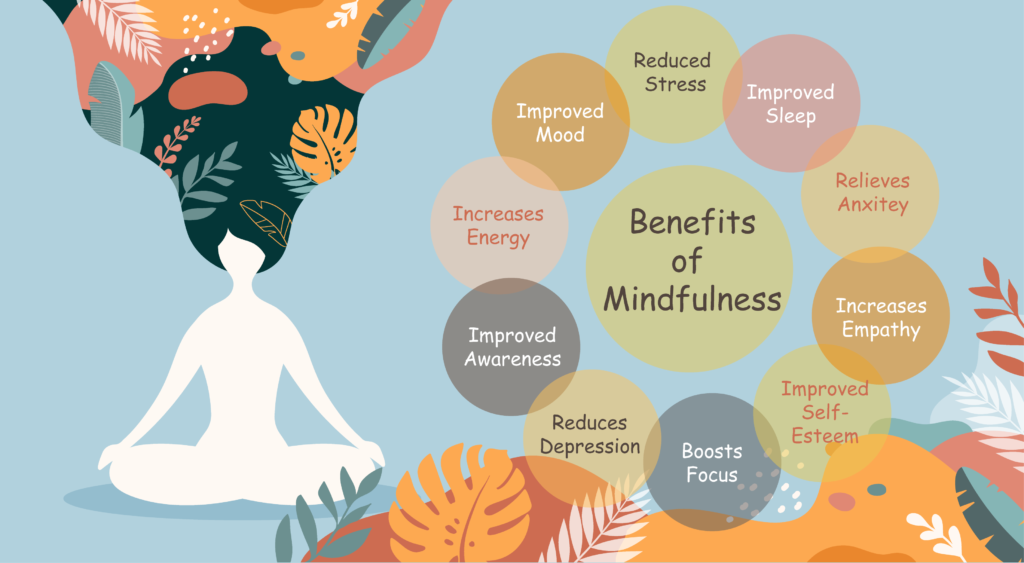
Mindfulness means focusing on the present moment. It helps calm your mind and reduce anxiety. You can practice mindfulness through deep breathing, meditation, or just sitting quietly and observing your thoughts. In our daily lives, it often happens that our body is in one place, but our mind is somewhere else. Mindfulness teaches us how to truly live each moment. It’s not a complicated practice but a simple method that anyone can adopt.
Benefits of Mindfulness:
1. Helps improve concentration and focus.
2. Reduces anxiety, stress, and negative thoughts.
3. Makes the mind feel calm, stable, and more positive.
2.4.2 Hobbies and Activities
Doing activities you enjoy can lower stress. Hobbies like painting, music, reading, walking, or gardening relax your mind and bring happiness. In our busy lives, we often forget to take out time for ourselves. But spending even 30 minutes a day on something you love can make a big difference. It helps you relax, keeps your mind active, and sometimes even teaches you new skills.
Benefits of Hobbies and Activities:
1. Reduce stress and anxiety.
2. Boost creativity and imagination.
3. Keep the mind fresh and positive.
4. Build self-confidence and focus.

2.5 Consistency and Patience
2.5.1 Make it a Habit
Doing something again and again turns it into a habit. Whether it’s eating healthy, exercising, or sleeping on time daily practice builds discipline. In the beginning, it may feel hard. You might forget, feel lazy, or want to skip a day. But consistency is what matters most. Even if you start small—like 5 minutes of reading or a 10-minute walk—what’s important is that you do it every day.
Benefits of Make Habit:
1. Builds Discipline.
2. Saves Time.
3. Achieves Goals Faster.
4. Increases Confidence.
5. Reduces Stress.

2.5.2 Be Patient
Patience is one of the most important qualities we can develop in life. It means staying calm and steady even when things take longer than we expect or when we face difficulties. Change and progress don’t happen overnight. It takes time, effort, and sometimes setbacks before we see results. When you are patient, you give yourself the chance to grow and improve gradually. Instead of getting frustrated or giving up, you trust the process. Patience helps you handle challenges better because you understand that every step, even small ones, matters.
Benefits of Be Patient:
1. Reduces Stress and Anxiety.
2. Builds Resilience.
3.Improves Decision-Making.
4. Enhances Relationships.
5. Promotes Personal Growth.

2.5.3 Seek Professional Guidance
Sometimes, you need expert help. A doctor, coach, dietitian, or counselor can guide you better and support your journey. Asking for help is not a sign of weakness; it is a smart and brave step towards improving yourself. Experts can provide advice tailored to your specific needs, which you might not find on your own. For example, if you feel stressed or anxious, a counselor can teach you ways to manage your feelings. If you want to improve your health, a dietitian can create a plan that suits your body and lifestyle.
Benefits of Seek Professional:
1. Expert Advice.
2. Faster Problem Solving.
3. Personalized Support.
4. Emotional Relief.
5. Saves Time and Energy.
6. Improves Confidence.

3. How to get started ?
Getting fit doesn’t have to be hard. Start by moving your body every day, even if it’s just a walk around the block. Drink plenty of water, eat more fruits and vegetables, and try to get enough sleep. You don’t need a gym simple exercises like push-ups, squats, and stretching at home can make a big difference. The key is to stay consistent and patient. It’s not about being perfect, but about showing up for yourself a little each day. Over time, those small steps will lead to a stronger, healthier you.
- Walk daily – Start with 20–30 minutes.
- Drink water – Stay hydrated all day.
- Stretch – 5 minutes in the morning and night.
- Eat clean – More fruits, veggies, and protein.
- Sleep well – Aim for 7–8 hours.
- Do bodyweight moves – Try squats, push-ups, sit-ups.
- Stay consistent – Small effort every day.
- Track progress – Take notes or photos weekly.
- Stay positive – Results take time.
- Have fun – Pick activities you enjoy (like dancing or cycling).
4. Conclusion
Keeping the body fit is one of the best gifts we can give ourselves. It not only helps us stay strong and active but also improves our mood, confidence, and overall quality of life. As we’ve seen, fitness isn’t just about going to the gym or losing weight—it’s a combination of regular exercise, eating healthy, getting enough rest, managing stress, and most importantly, staying consistent and patient with the process.
Leave a Reply