
Introduction :
In today’s fast-paced digital world, marketing has transformed far beyond traditional billboards and TV ads. Digital marketing in 2025 is smarter, faster, and more data-driven than ever before. From artificial intelligence shaping customer journeys to social media creating viral brand moments, businesses now rely heavily on digital strategies to connect with their audience. Whether you are a startup owner, a marketer, or simply curious about the online business landscape, understanding digital marketing is the first step to success in this competitive era.
What is a Digital Marketing :
Digital marketing is the practice of promoting products, services, or brands through online channels such as search engines, social media, email, websites, and mobile apps. Unlike traditional marketing, digital marketing allows businesses to reach global audiences, track real-time results, and personalize campaigns based on customer behavior.
Key Elements of Digital Marketing in 2025:
- Search Engine Optimization (SEO): Optimizing websites to rank higher on Google and other search engines.
- Content Marketing: Creating blogs, videos, and podcasts that attract, educate, and engage customers.
- Social Media Marketing: Leveraging platforms like Instagram, YouTube, and TikTok to grow communities and brand loyalty.
- Email Marketing: Building strong customer relationships through personalized email campaigns.
- Pay-Per-Click (PPC) Advertising: Running paid ads on Google and social media to generate instant traffic and leads.
- AI & Automation: Using tools that analyze data, predict trends, and personalize customer experience
Why is digital marketing important?
The world in 2025 is more digital than ever before. From online shopping and mobile payments to social media and streaming platforms, people spend most of their time online. For businesses, this means one thing—if you’re not marketing digitally, you’re missing out on your customers. Digital marketing has become the backbone of growth, visibility, and success in today’s competitive market.
1. Customers Are Online
Billions of people search, shop, and scroll online every single day. Digital marketing ensures that your business is visible where your customers are spending their time—on Google, Instagram, YouTube, or even voice search devices.
2. Cost-Effective and Measurable
Unlike traditional marketing (TV, newspapers, billboards), digital marketing is cheaper and offers clear tracking. You can see who clicked your ad, how many people visited your website, and what led to a sale—all in real time.
3. SEO Improves Visibility
In 2025, Search Engine Optimization (SEO) remains crucial. With AI-driven search engines and voice search becoming common, SEO helps your business rank higher, making it easier for customers to find you over competitors.
4. Personalization Builds Trust
People want more than generic ads. With digital marketing tools, businesses can send personalized emails, product recommendations, and offers that connect directly with customer needs—building loyalty and stronger relationships.
5. Staying Competitive in a Digital Era
Almost every brand is online in 2025. Without digital marketing, your business risks falling behind. Companies that adapt to new trends like influencer marketing, AI chatbots, and video campaigns will lead the market.
Types of Digital Marketing :
Digital marketing has completely transformed the way businesses connect with their customers. In 2025, brands are using multiple online strategies to increase visibility, engage audiences, and drive sales. From SEO to influencer collaborations, each type of digital marketing plays a unique role in building a strong online presence.
1. Search Engine Optimization (SEO)
SEO is the process of optimizing your website to rank higher on search engines like Google. A well-executed SEO strategy helps businesses attract organic traffic, improve visibility, and build long-term credibility.
2. Content Marketing
Content is king in the digital world. Blogs, videos, podcasts, and infographics are powerful tools that educate, entertain, and engage audiences. The goal is to provide value and build trust while subtly promoting products or services.
3. Social Media Marketing
Platforms like Instagram, Facebook, LinkedIn, and TikTok are vital for brand building in 2025. Social media marketing focuses on creating shareable content, running paid campaigns, and engaging with audiences directly.
4. Pay-Per-Click (PPC) Advertising
PPC ads, such as Google Ads or social media ads, drive immediate traffic and leads. Businesses only pay when someone clicks, making it a cost-effective way to boost conversions.
5. Email Marketing
Despite being one of the oldest forms of digital marketing, email remains highly effective. Personalized newsletters, promotions, and automated campaigns help nurture relationships and retain customers.
6. Influencer Marketing
Influencers continue to dominate in 2025. Collaborating with creators on YouTube, Instagram, or TikTok allows brands to reach niche audiences with authenticity and trust.
7. Affiliate Marketing
Affiliate marketing involves promoting products through partners or affiliates who earn a commission on sales. It’s a low-risk way for businesses to expand their reach.
8. Mobile Marketing
With smartphones everywhere, mobile marketing—through apps, SMS, and push notifications—ensures that businesses connect with customers anytime, anywhere.
9. Video Marketing
Video is one of the fastest-growing content formats. From YouTube tutorials to short-form TikTok videos, video marketing builds stronger engagement and higher conversions.
How to Do Digital Marketing :
A small startup or a global company, having a digital presence is no longer optional—it’s essential. But how exactly do you do digital marketing effectively? Here’s a step-by-step guide to help you build a winning strategy.
1. Understand Your Audience
Every successful digital marketing campaign starts with knowing your target audience. Use tools like Google Analytics, surveys, and social media insights to learn about:
- Age, location, and interests
- Online behavior and buying habits
- Problems they want solved
2. Set Clear Goals
Decide what you want from digital marketing. Common goals include:
- Increasing website traffic
- Generating leads
- Boosting sales
- Building brand awareness
Make your goals SMART (Specific, Measurable, Achievable, Relevant, Time-bound).
3. Build a Strong Online Presence
- Create a professional website that is mobile-friendly and SEO-optimized.
- Set up social media profiles on platforms where your audience is active.
- Use branding (logos, colors, tone) consistently across all channels.
4. Leverage SEO (Search Engine Optimization)
SEO ensures your business appears when people search for related products or services. Focus on:
- Keyword research
- On-page SEO (titles, meta descriptions, headings)
- Technical SEO (site speed, mobile optimization)
- Quality backlinks
5. Create Valuable Content
Content is the heart of digital marketing. Write blogs, make videos, or share infographics that educate, entertain, and engage your audience. Content marketing builds trust and helps rank higher on Google.
6. Use Social Media Marketing
- Share content regularly on platforms like Instagram, LinkedIn, or TikTok.
- Engage with followers through comments, polls, and DMs.
- Run targeted ad campaigns for faster growth.
7. Invest in Paid Advertising (PPC)
Google Ads, Facebook Ads, and LinkedIn Ads help reach your audience instantly. Paid campaigns are great for generating quick leads and traffic.
8. Build an Email Marketing Strategy
Collect emails from your website visitors and send:
- Newsletters
- Exclusive offers
- Personalized product recommendations
Email marketing helps in retaining loyal customers.
9. Track and Optimize Performance
Use tools like Google Analytics, HubSpot, or SEMrush to measure:
- Website traffic
- Conversion rates
- ROI on ads and campaigns
Digital Marketing Examples :
- Dove’s “These Legs” – Video Marketing
- #ShotoniPhone – User-Generated Content
- Tide’s “Stains Happen to the Best of Us” – Video Marketing
- Topicals – Email Marketing
- Ashley White – Affiliate Marketing
- Samsonite – Search Engine Marketing
- Yes Williamsburg – Sponsored Ad
- HubSpot Blog – Content Offers
- For Keeps Bookstore – Local Business SEO
1. Dove’s “These Legs” – Video Marketing
As we continue to learn how body shaming affects young girls and teenagers in sports, Dove decided to send a message with the ” these legs” campaign.
The purpose is to increase awareness of how damaging words can be and how they can negatively impact self-esteem. Criticizing young girls for their body type can lead many of them to quit sports.
This is an excellent example of what marketing content can look like when you understand your audience intimately. By knowing its audience of real women, many of them parents, Dove brought light to this issue.
2. #ShotoniPhone – User-Generated Content

iPhone XS, iPhone XS Max, and iPhone XR bring innovations to photography, from sophisticated portraits with an adjustable depth of field, to Smart HDR which leverages multiple technologies — like faster sensors, an enhanced ISP and advanced algorithms — to bring more highlight and shadow detail to photos.
3. Tide’s “Stains Happen to the Best of Us” – Video Marketing
Spills can happen at any place, at any time, and to anyone — elite Olympians included — and Tide is always there to lend a hand to restore your outfit to its original cleanliness. It’s also a great example of timely and relatable advertising tied to a current event.
4. Topicals – Email Marketing

”Topicals” a skincare company, uses email marketing as part of a digital marketing strategy. The image below displays a marketing email that advertises a subscribe and save deal, where people get 20% off refills if they choose to subscribe.
5. Ashley White – Affiliate Marketing
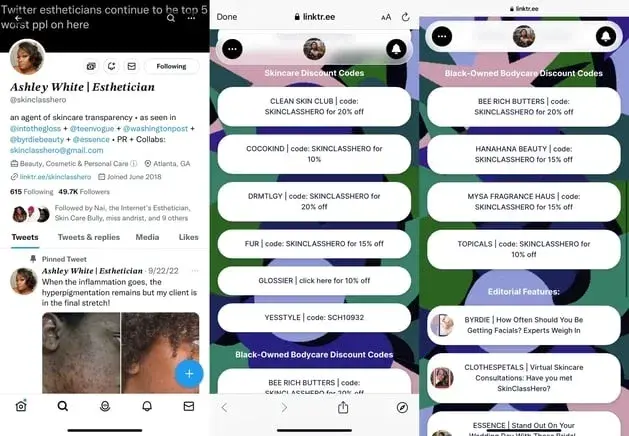
Ashley White is an esthetician who uses affiliate marketing. In her X profile, she includes a link to a personal Linktree page where she shares referral codes and discounts for people who shop with her codes and links.
6. Samsonite – Search Engine Marketing
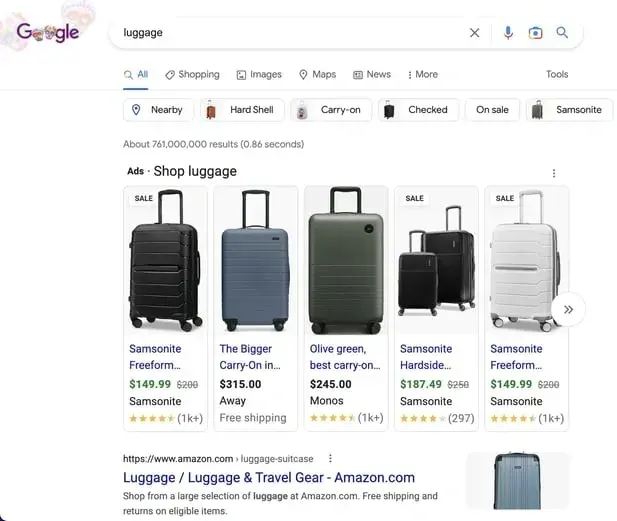
Search engine marketing is a great example of digital marketing, where brands bid on keywords and showcase ads for their products in SERPs when someone queries a related keyword.
The image below is an example from Samsonite , where a query for the word “luggage” surfaces various luggage options from known brands that have created ads to feature their products front and center in search results.
7. Yes Williamsburg – Sponsored Ad
Yes Williamsbug uses native advertising within its Instagram feed to share a paid sponsorship with a local Brooklyn business.
The Reel is tagged as a paid partnership, but it appears organically in a user’s feed like a standard post. The ad is also in line with Yes Williamsbug’s usual content of sharing information about unique local businesses for people to try.
AI and Digital Marketing :
In my opinion, artificial intelligence is here to stay — particularly in marketing. 1 in 2 marketers (50.17%) see AI working in conjunction with marketers, assisting them in performing most of their job duties.
And what are the various tasks AI can help with? Numerous. But the top four AI use cases are:
- Content creation (using generative AI to write copy, create images, get ideas, etc.)
- Learning how to do things (using generative AI to learn an Excel function, debug SQL code, etc.)
- Data analysis/reporting (using generative AI to analyze or manipulate marketing data)
- Research (using generative AI for market research, finding datasets, summarizing articles, etc.)
So, it’s not surprising that 71.27% of marketers say that AI has had a somewhat to very significant impact on their marketing role.
In the end, balance is key. There are tons of digital marketing strategy courses that provide lessons on the fundamentals when using AI. It’s vital to look at AI as not a be-all and end-all solution but rather as a tool to simplify and quicken a digital marketer’s work.
Integrate Digital Marketing Into Your Strategy
Any opportunity where you can connect to your audience is an opportunity to convert a lead or acquire a customer.
I feel that digital marketing creates so many more of those opportunities by allowing you to reach prospective buyers through a wide variety of channels.
Whether it’s social media platforms, websites, text messages, or any online medium, it’s an invaluable way to promote your business, service, or product.
Leave a Reply